
Client Challenge
is verifying your browser...
Copyright of this story solely belongs to springer.com. To see the full text click HERE

is verifying your browser...
Copyright of this story solely belongs to springer.com. To see the full text click HERE

The automotive industry is incredibly stuffy and risk-adverse, but concept cars give automakers a chance to let their hair down. They’re about ideas and showcasing new technology, without the limitations of practicality and economics. So, we’ve seen many legendary concept cars, like the bubble-domed Lincoln Futura and the

Inspiration can come from some very unexpected sources. That is what happened with the Mactini, a tiny laptop that first appeared in a spoof Apple commercial nearly 20 years ago. In the parody, the impossibly small computer had just a single input key, requiring users to enter text through elaborate

* There's a new version of PowerToys out * The suite of tools has a new utility called Window Hopper * This allows you to easily cycle through open instances of the same app, and it's a nifty trick for multi-tasking in certain situations Microsoft has released a new
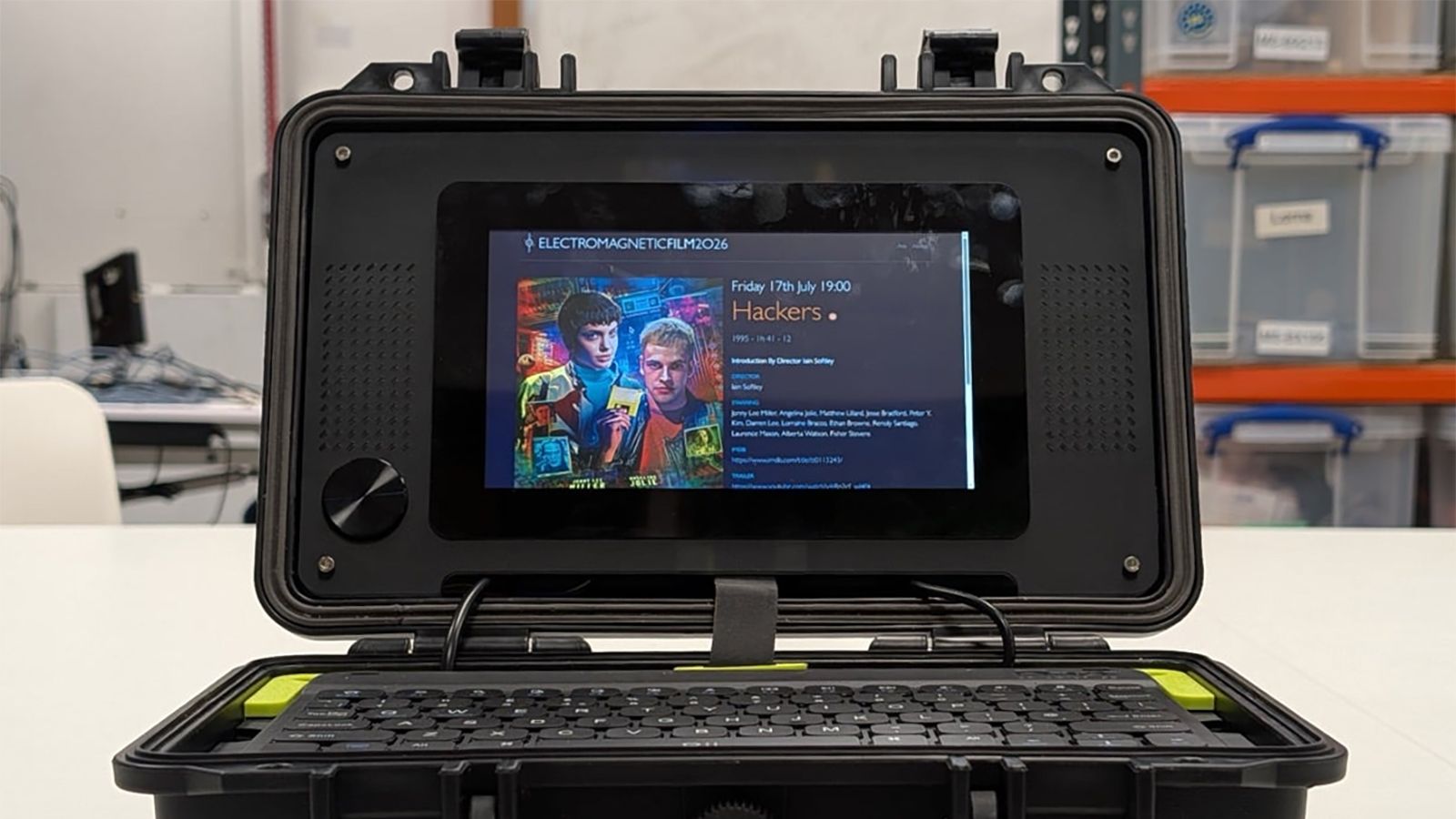
* A comprehensive new Raspberry Pi tutorial has appeared * It shows you how to put together your own cyberdeck * You can pick up all the necessary parts for around $250 If you're looking for a DIY computing project to tackle, the official Raspberry Pi site just shared a step-by-step