Autonomous Drone Navigation for Search-and-Rescue Missions
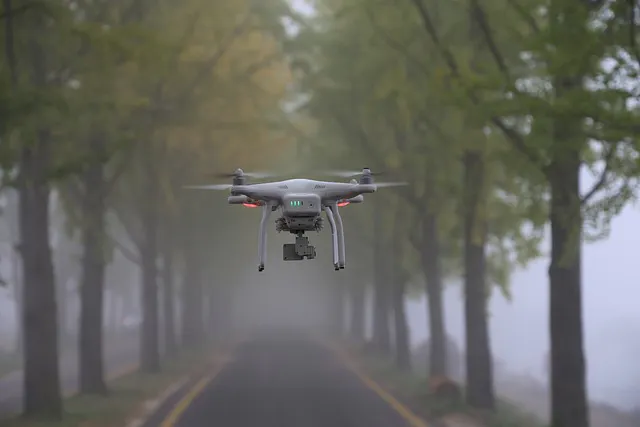
Autonomous technology is reshaping daily life at a rapid pace and scale. One of the major building blocks of autonomous vehicles is the fully autonomous unmanned aerial vehicle (UAV) system. These UAVs are remarkably versatile across commercial, military, and consumer operations. In this article, I want to walk through how AI-controlled autonomous UAV navigation can be applied to rescue missions.
This piece is based on a research paper published by a group of scientists at the Faculty of Mechanical Engineering and Naval Architecture, University of Zagreb, Croatia.
Research paper:
The point of advancing technology is to build a better future for humanity and other living beings on Earth. One area that continually demands technological involvement is search-and-rescue (SAR) missions. These are often high-intensity operations that force human experts to accept significant personal risk, which is exactly why they benefit so much from emerging technology. Autonomous UAVs are well positioned to...
Copyright of this story solely belongs to hackernoon.com. To see the full text click HERE