
Your smart home devices are a major privacy risk – here’s how to secure them
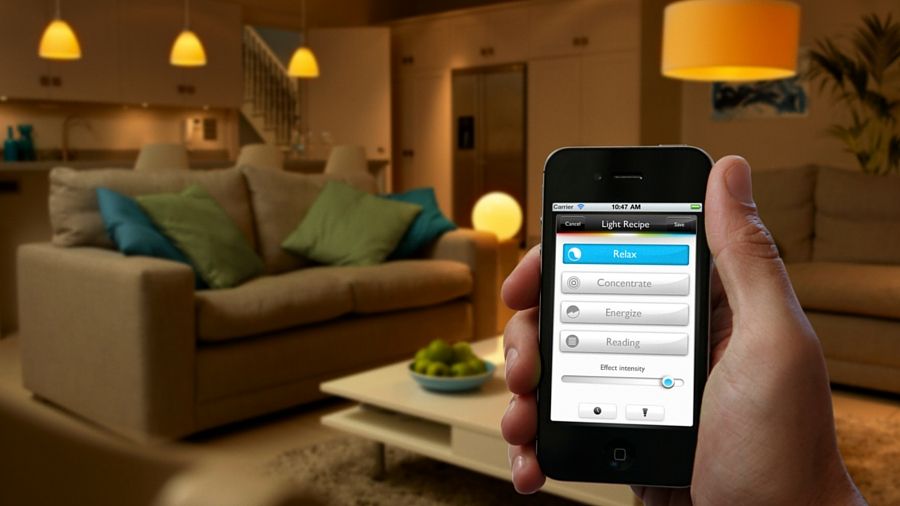
That brand-new smart fridge might be keeping your groceries cool, but it could also be leaving your personal data out in the cold.
Today’s smart devices, ranging from security cameras and thermostats to seemingly harmless smart lightbulbs, often ship with notoriously weak security protocols. Worse still, they frequently "phone home," sending a constant stream of your usage data back to manufacturer servers.
Many budget-friendly IoT devices rely on unencrypted channels to communicate. This leaves your network traffic vulnerable to local eavesdropping, meaning anyone nearby with the right tools could potentially intercept your data.
Even when encrypted, the continuous cloud connections required by smart homes allow Internet Service Providers (ISPs) and third-party trackers to map your daily routines. By simply monitoring spikes in your network activity, an observer can easily deduce when you wake up, when you leave for work, and when you go to sleep.
While a VPN will effectively...
Copyright of this story solely belongs to techradar.com. To see the full text click HERE