Licious bets big on autonomous supply chains
The Indian direct-to-consumer commerce ecosystem is entering a new phase, one where speed alone is no longer enough. In categories such as fresh meat and seafood, enterprises are increasingly being forced to rethink how technology, supply chains, fulfilment, and customer experience work together in real time.
For Licious, that challenge is even more complex. Unlike conventional ecommerce models, perishables operate under strict constraints where freshness, timing, inventory movement, and fulfilment efficiency directly impact customer trust and profitability.
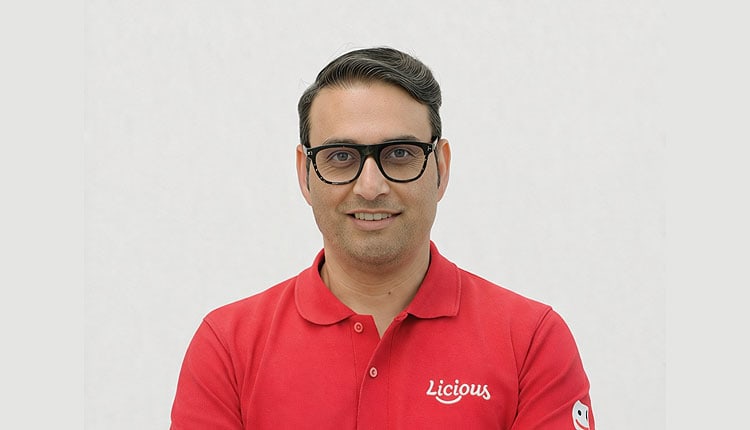
In an interaction with Express Computer, Gaurav Mathur, CTO, Licious speaks about how the company is building an AI-first architecture, why real-time event-driven systems are becoming essential for modern commerce, and how autonomous supply chains could define the next phase of digital transformation in D2C businesses.
Building an AI-first architecture where freshness is a “hard constraint”
According to Mathur, the biggest challenge in the perishables business is that freshness cannot be treated...
Copyright of this story solely belongs to expresscomputer.in. To see the full text click HERE