

How Small Postgres Metadata Tables Quietly Throttle Your Largest Queries
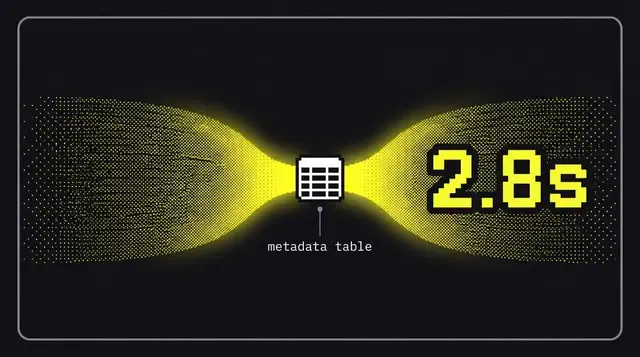
Most time-series performance work starts with the obvious suspect: the fact table. Five hundred million rows of sensor readings, hundreds of daily partitions, an autovacuum worker fighting write load. That is where engineers go first. That is where the Optimization Treadmill lives. But after reading this guide, you'll know how to find a different class of slowdown hiding in the opposite direction, detect it in under five minutes with EXPLAIN, and apply a same-day fix that requires no schema migration.
A 10,000-row device metadata table, rarely updated, sitting in the FROM clause of every dashboard query you run, can drag your entire time-series query path into the wrong performance tier. The time-series scan looks fast in EXPLAIN. The join node is where the time goes. The fix requires looking at a table that almost nobody thinks to audit.
Why it matters
Postgres triggers ANALYZE on a table based on...
Copyright of this story solely belongs to hackernoon.com. To see the full text click HERE


