Designing an Event-Driven Next-Best-Action Architecture for Customer Retention
Why retention needs an event-driven architecture
Customer retention is often treated as a campaign problem: identify customers approaching renewal, generate a list, and ask an agent or marketing system to contact them. That model works when customer behavior changes slowly. It becomes much less effective when the signal that predicts churn occurs days or hours before the renewal workflow sees it.
In health insurance, for example, a member's experience can change after a benefit adjustment, a premium increase, a claims interaction, a coverage issue, or a service conversation. Those events can be meaningful retention signals, but a monthly or weekly batch process may surface them too late. The engineering problem is therefore not simply predicting churn. It is converting changing customer state into an actionable, auditable recommendation while the context is still useful.
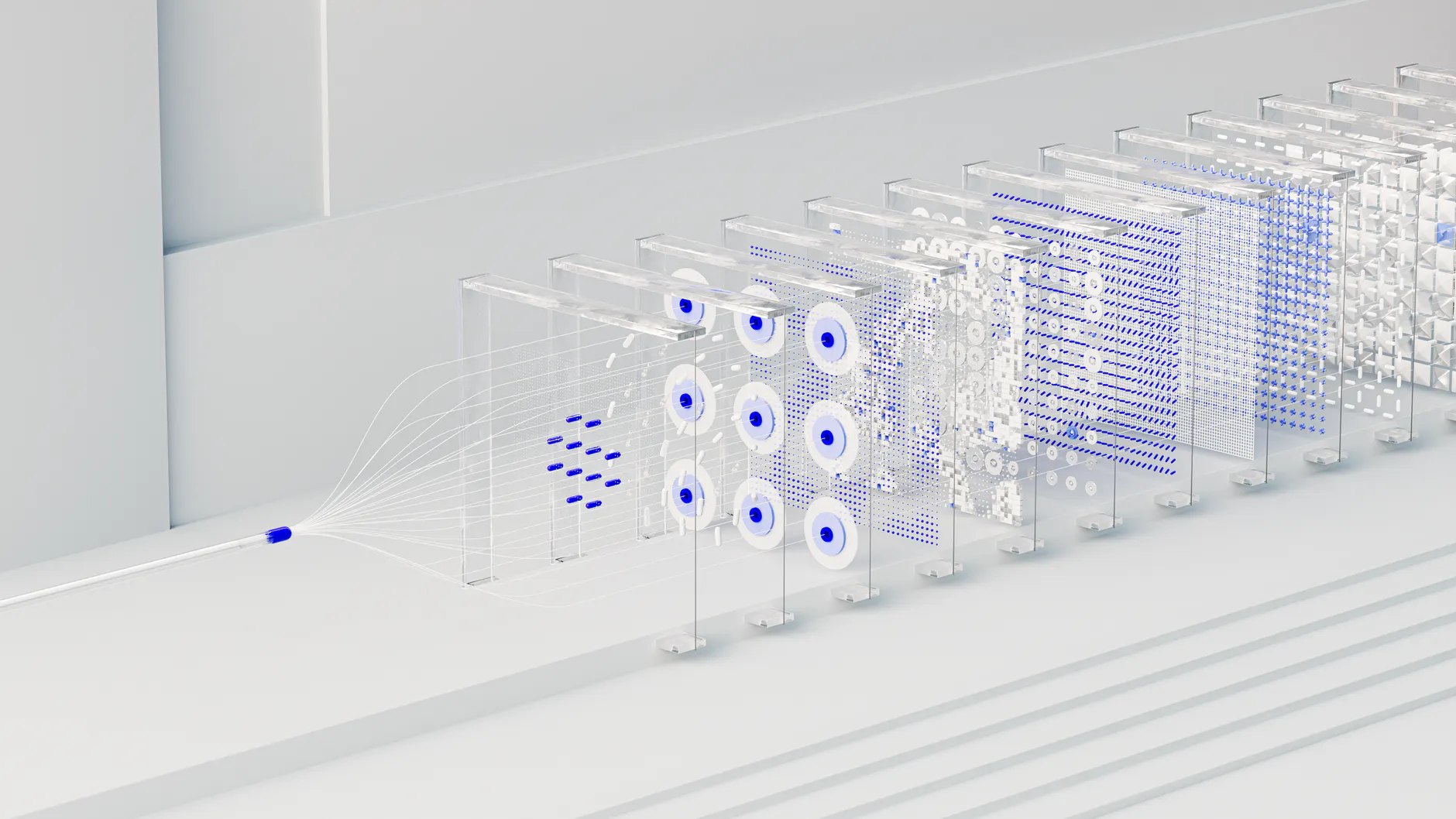
A practical architecture separates data ingestion, feature computation, model scoring, decisioning, and activation. Streaming paths handle time-sensitive...
Copyright of this story solely belongs to hackernoon.com. To see the full text click HERE