

Can AI help governments decide which climate risks to address first?
By Samhita R, Co-founder & CEO, Resilience AI
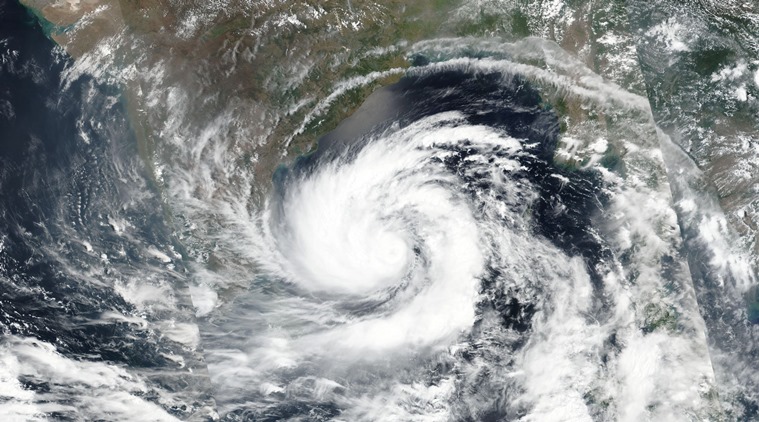
In March 2026, the reservoir behind a 120-year-old earthen dam in Wahiawa, Hawaii, rose six feet in a day and 5,500 people were told to leave their homes. The state’s 2018 hazard mitigation plan had rated a 90-mph Kona storm a once-in-700-to-800-year event. Gusts that month reached 135 mph. Two months earlier, Cyclone Koji struck Queensland. Attention went to its winds, but much of the damage came from floodwater across six river systems.
No natural hazard is a surprise in the broad sense. The global average of 290 days of weather tipping points remain reactive, not anticipated. Historical event modelled forecasts exist. Early warning system alerts support better response. These are training reflex. The missing link is trained decisions which aid every Finance secretary, District collector and City manager to manage around the year adversity and decide to deal with risks faster...
Copyright of this story solely belongs to www.expresscomputer.in. To see the full text click HERE