

Your voice can be cloned in minutes using AI, and Taylor Swift is trying to protect hers — but what rights do the…
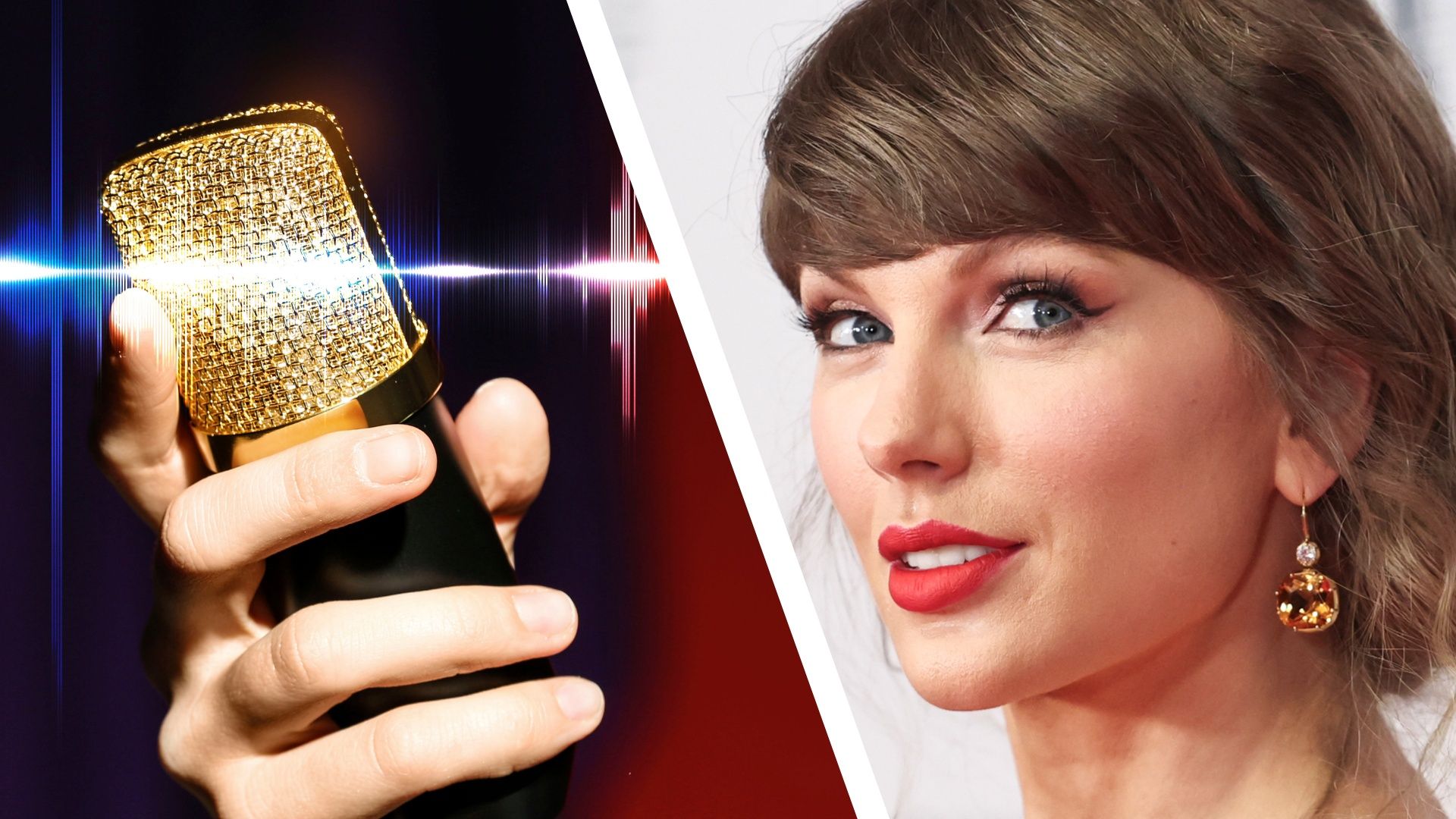
Earlier this year, Taylor Swift filed trademark applications covering the phrases "Hey, it's Taylor" and "Hey, it's Taylor Swift" — two recordings closely associated with her voice and personal brand. Around the same time, actor Matthew McConaughey sought trademark protection for some of his most recognizable catchphrases.
These cases highlight an important question in the AI era, what rights do people actually have over their voice?
And this isn’t a theoretical issue. People tend to focus on the image and video generation capabilities of AI, but AI voice cloning tools can now recreate a person's voice from just a few minutes of audio. While platforms like ElevenLabs and Suno have helped make synthetic voices and AI-generated audio more accessible than ever.
For celebrities, the stakes are really clear. A distinctive voice can be a valuable part of a personal brand and a source of income. But this technology doesn't just...
Copyright of this story solely belongs to techradar.com. To see the full text click HERE