

Why Your LLM Keeps Matching the Wrong Products (And Why a Better Prompt Won't Fix It)
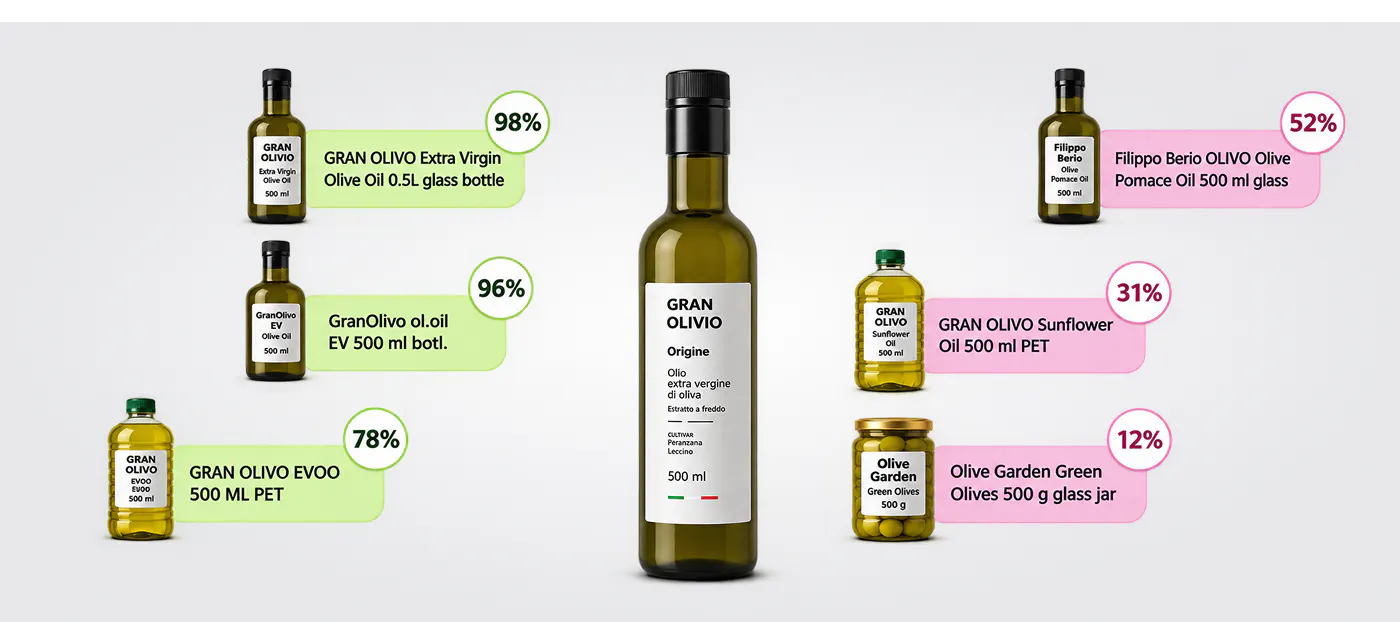
Imagine you have two product catalogs. One contains 10,000 items, the other 50,000. Your task is to find matching products, even though suppliers use different names, abbreviations, and formats.
Sounds like a perfect job for an LLM, right?
Modern language models understand context, recognize synonyms, and handle unstructured text pretty well. Just give the model two lists, ask it to find matching items, and you're done.
Except it doesn't quite work that way.
An LLM can understand both product names correctly and still return the wrong match.
The reason is simple: similar product names, identical products, and commercially acceptable substitutes are three different things.
While working on automated data matching problems, we've encountered several challenges that can't be solved simply by switching to a more powerful model or writing a better prompt.
Let's look at what goes wrong and how to build a more reliable matching process.
1. Similar Names...
Copyright of this story solely belongs to hackernoon.com. To see the full text click HERE