
Why Standard WER Lies to You in Dialect AI
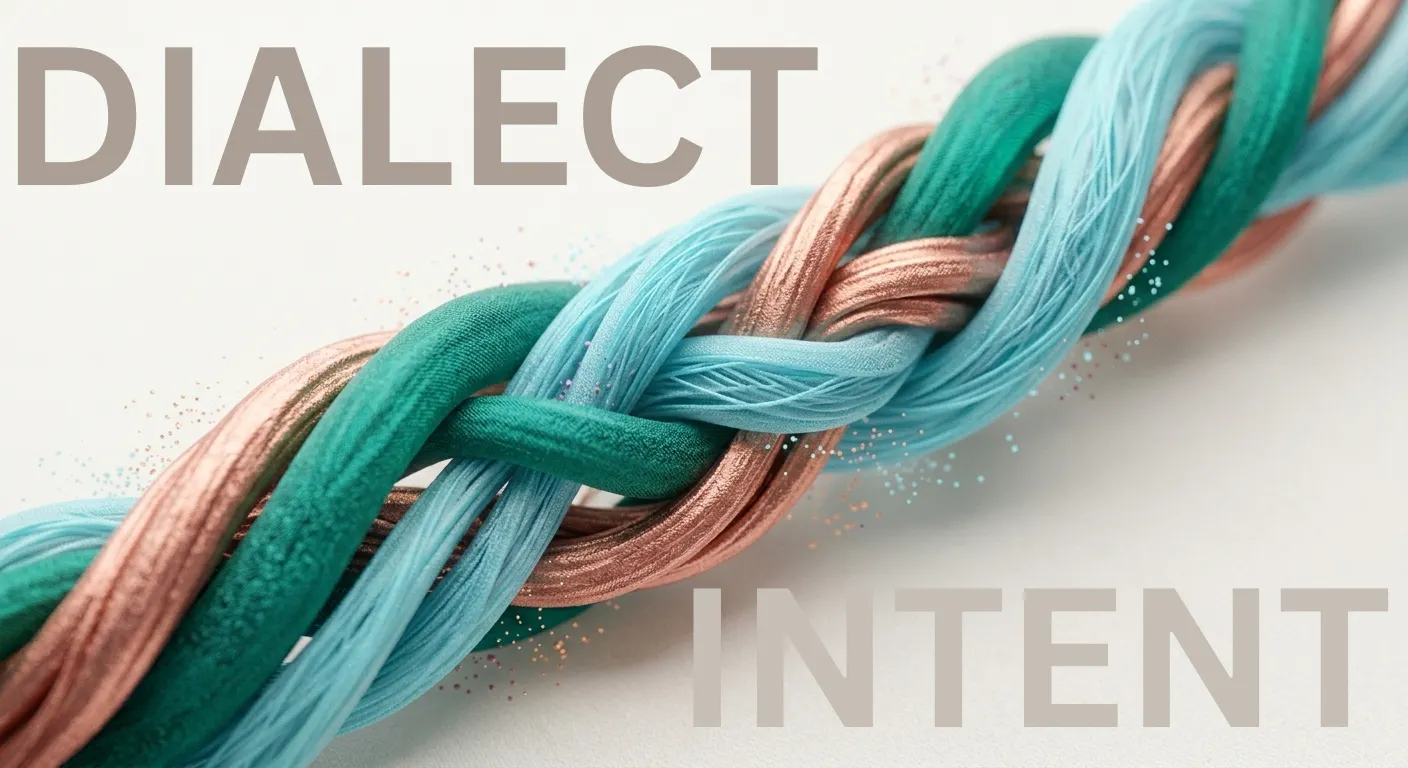
I recently moved to the US. Long before I moved, I built my very first voice agent. It didn't take long to realize a fundamental flaw in standard architectures: the underlying models were heavily biased towards standard American accents.
The moment an input featured a non-standard accent, regional dialect, or code-switched phrasing, the pipeline broke down. Misinterpretations escalated, Word Error Rates (WER) spiked, and downstream processing costs exploded as LLMs burn tokens trying to make sense of mangled text. Working in a call centre environment in the US has made the reality of this problem undeniable.
Automated systems currently fail for a different reason: downstream processes are completely audio-blind. A downstream LLM or intent-parser cannot hear the original audio. It has no access to the speaker's tone, acoustic cadence, or native phrasing. If the ASR engine misinterprets an accented phrase, the downstream model blindly accepts that corrupted text as truth,...
Copyright of this story solely belongs to hackernoon.com. To see the full text click HERE