

Why Modern Agent Orchestrators Fail at Cost Control
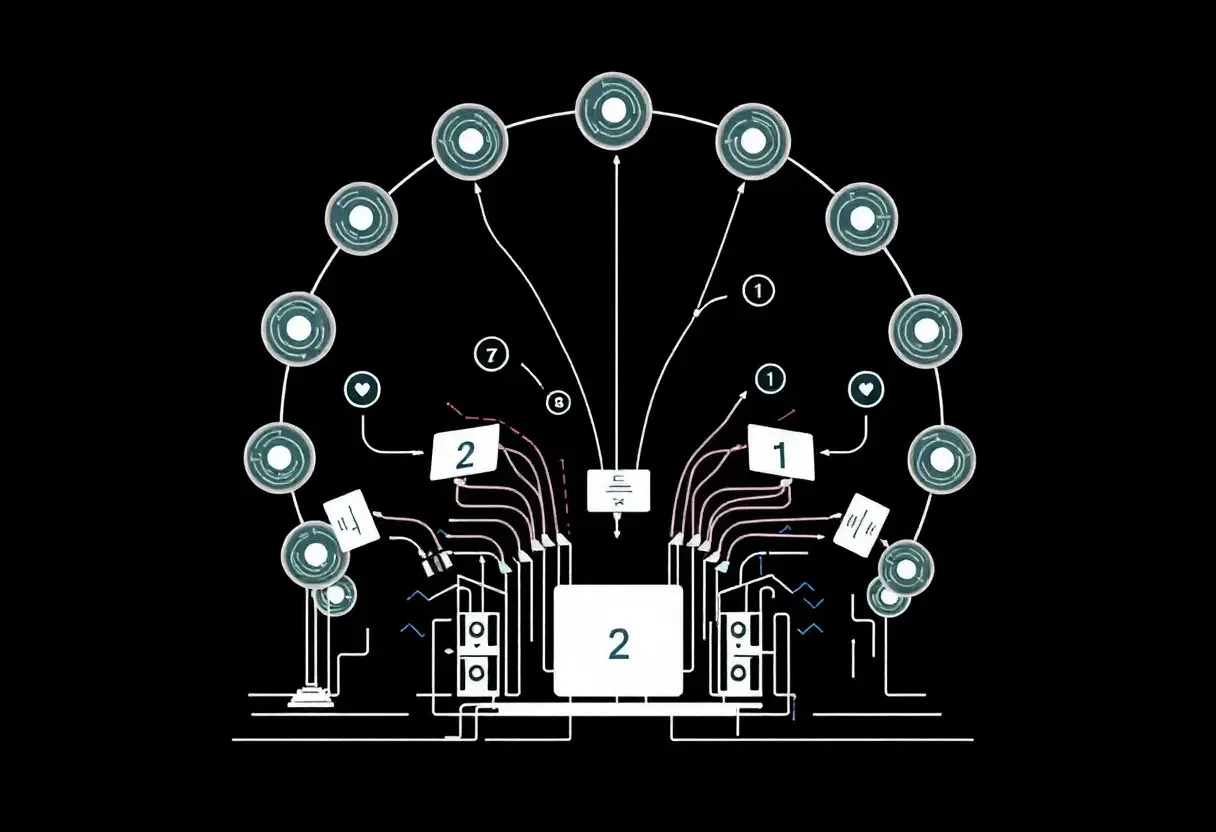
Building a multi-agent coding setup looks easy on a whiteboard. You set up a code-generation agent, pair it with a test-runner agent, add a code-review agent, and hook them up through an orchestrator.
In theory, you have built an autonomous software development team. In practice, you end up with a massive token-burning engine that leaves developers drowning in context fragmentation.
If you watch an engineer use a multi-agent setup on a non-trivial codebase, the operational pain is obvious. They are juggling half a dozen open terminals, flipping between agent tabs, trying to figure out why an execution path failed, and watching API credits vanish in real time.
The core issue isn't that multi-agent systems are useless. The problem is that existing orchestrators treat cost control as a complete afterthought. They focus almost entirely on graph routing and tool execution while completely ignoring context efficiency, leaving developers to pay a heavy...
Copyright of this story solely belongs to hackernoon.com. To see the full text click HERE