
Why Intellectual Property Is More Valuable Than a Single Game
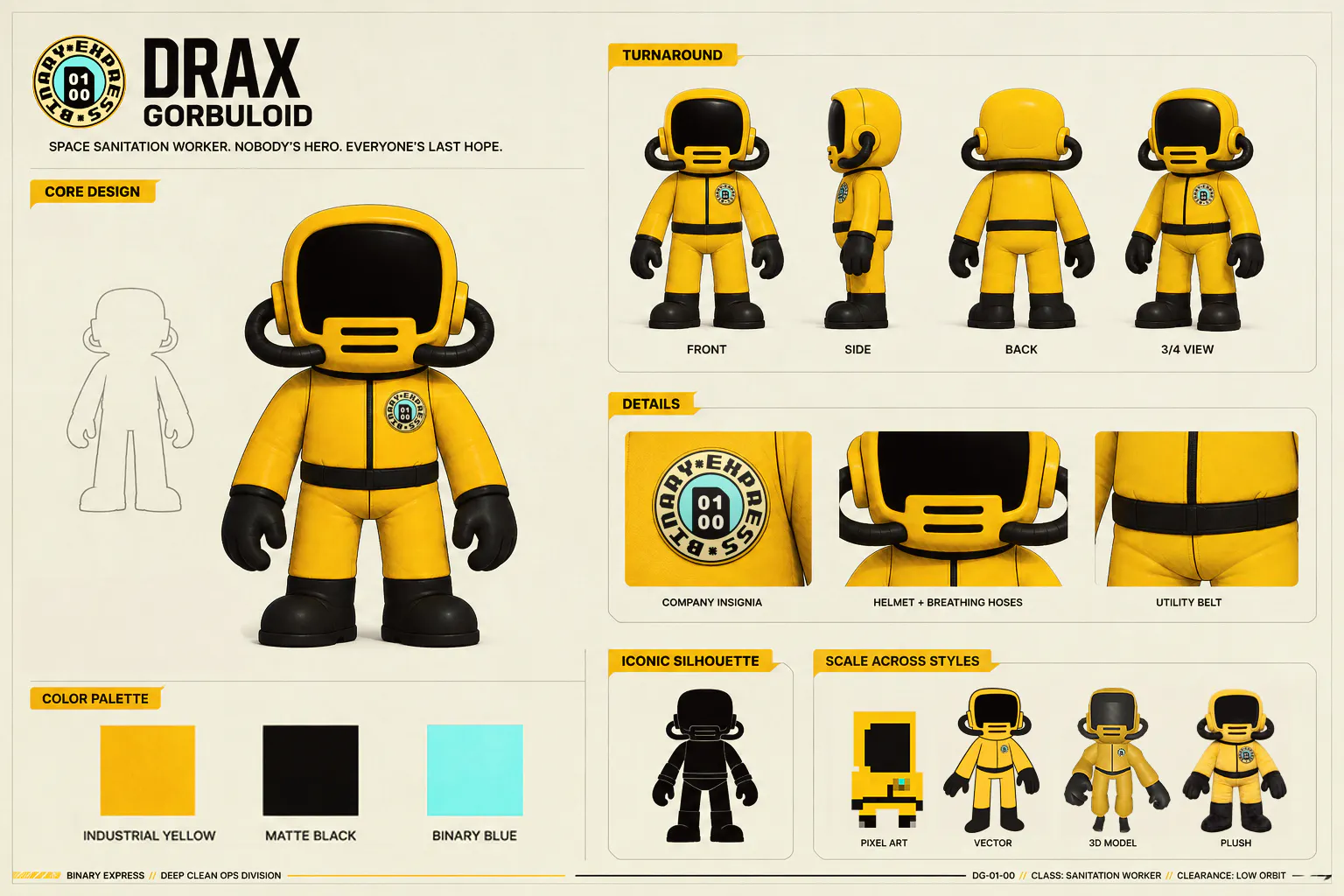
A game has a finite commercial life, but successful intellectual property can keep generating value through future products, audience recognition and new forms of exploitation. For an indie studio, that can turn individual releases into building blocks for a much larger company.
When an indie studio finishes a game, it is natural to think of the game itself as the asset. Years of development go into producing something that can eventually be sold, and the basic calculation seems straightforward: how much did it cost to make, how many copies can it sell, and how much revenue can it generate? But a game contains more than the executable product that eventually appears on a store. During development, the studio may also create characters, worlds, stories, names, visual identities and fictional concepts that can exist beyond the original release. The game has a finite commercial life; the intellectual property can potentially survive...
Copyright of this story solely belongs to hackernoon.com. To see the full text click HERE