

Why 0s and 1s aren't enough — 3-part biological memory model exposes limits of AI silicon
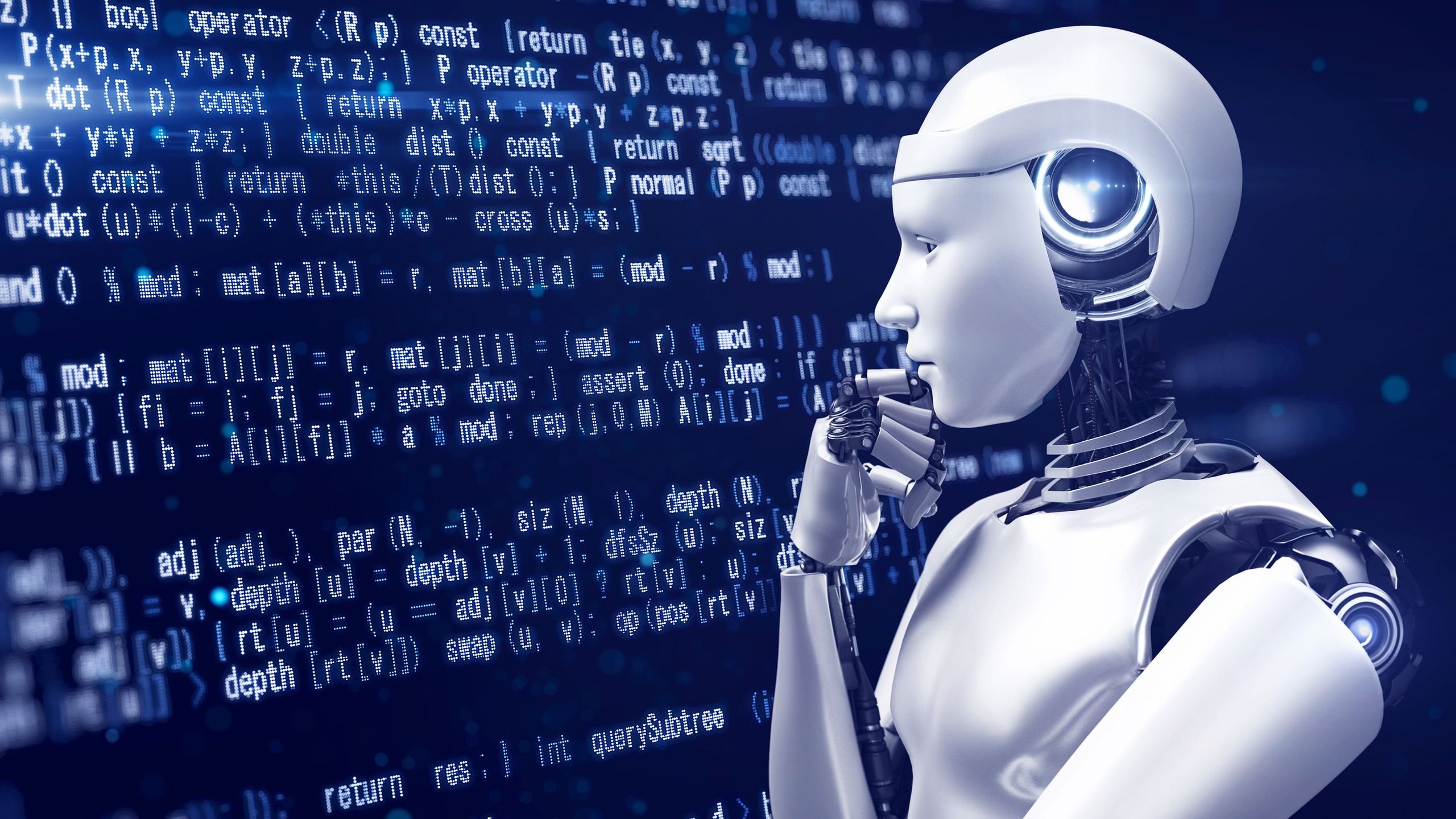
- Brain chemistry may contribute to memory beyond ordinary electrical signalling
- AI systems process information without the living cellular environment found inside brains
- Astrocytes could play an important role in processing cognitive information
A new scientific model argues that binary code, the 0s and 1s underlying every computer, cannot fully explain how memory works.
Researchers Gerard Marx of MX Biotech Ltd. and Chaim Gilon of the Hebrew University of Jerusalem base their model on molecular and cellular evidence.
Their theory, called the Tripartite Mechanism of Memory, proposes that three biological components, not binary switches, are what generate genuine memory.
A chemical basis for how memory actually forms
Unlike a silicon chip storing information as binary states, the tripartite model proposes that memory arises through three separate biological elements interacting.
These elements include brain cells, particularly astrocytes, interacting with neurons, along with the molecular environment surrounding those individual cells directly.
A third...
Copyright of this story solely belongs to techradar.com. To see the full text click HERE