
When AI art has no author: Study finds generated images often can’t be traced to training data
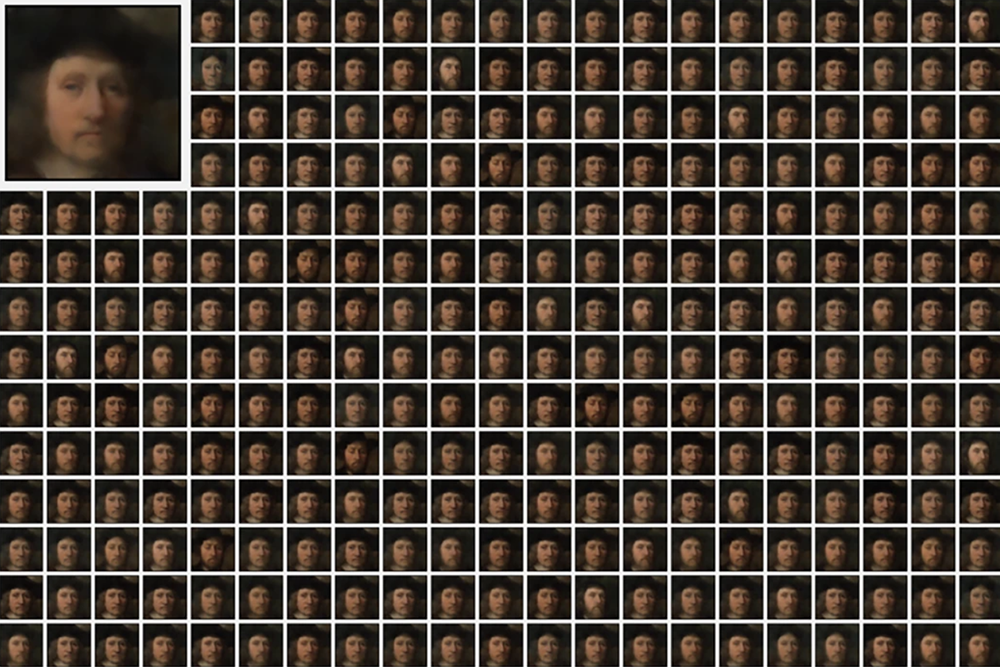
When an artificial intelligence image generator produces a portrait, whose work went into it? The question sits at the center of lawsuits, licensing deals, and proposed regulations worldwide. Artists want credit. Companies want clarity. Policymakers want a way to assign responsibility.
New work from a team of researchers at MIT's Computer Science and Artificial Intelligence Laboratory (CSAIL) suggests that for models trained on large datasets, the question may often have no answer. It's not that the tools for finding it are inadequate. The connection itself has disappeared.
The scientists identified a phenomenon they call attribution decay, where the more data a generative model is trained on, the less any individual training example matters to any particular output. It feels counterintuitive, but at sufficiently large scales, they find, you can often remove any single image from the training data, or every image by a given artist, or every photograph of a...
Copyright of this story solely belongs to mit.edu. To see the full text click HERE