
What Byzantine Fault Tolerance Can Teach Us About Trust in Multi-Agent AI Systems
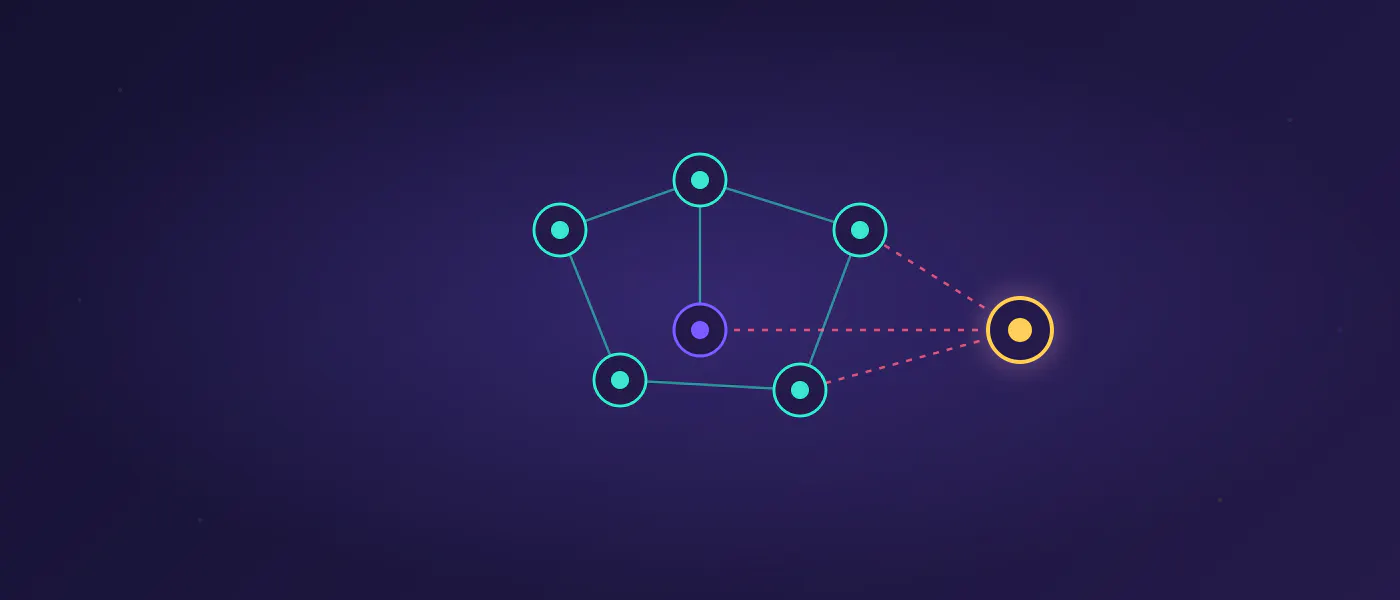
Every time I read another piece about AI agents needing better identity systems, I keep thinking about a question identity doesn't answer. Say every agent in your pipeline is fully verified. Signed credential, scoped token, clean audit trail back to the human who authorized it. That tells you exactly who acted and on whose authority.
It tells you nothing about whether what that agent just said is true. In a clinical triage pipeline, a legal document review, or a financial approval chain, a verified agent producing a confidently wrong answer carries more risk than an unverified one, precisely because nobody downstream has a reason to doubt it. That gap between who acted and whether to believe them is not new.
Distributed systems engineers have been formalizing it since the 1980s, and a growing body of 2025-2026 research is starting to apply that formalization directly to multi-agent LLM systems, with some...
Copyright of this story solely belongs to hackernoon.com. To see the full text click HERE