What Bridge Multisigs Get Wrong About Byzantine Fault Tolerance
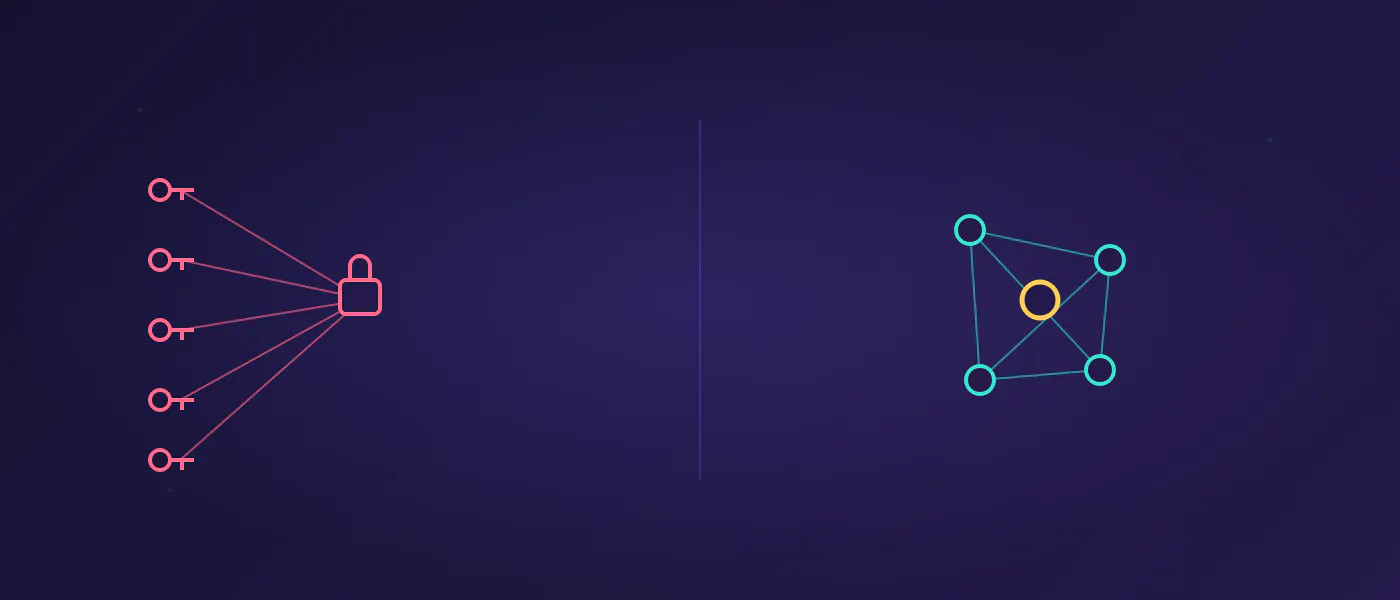
Every serious bridge security writeup eventually lands on the same phrase: an honesty threshold, the number of validator keys an attacker needs before a bridge is theirs. It's a useful way to think about risk, and it borrows heavily from a real field: Byzantine fault tolerance. An honesty threshold and actual BFT consensus are not the same thing though, and the gap between them is exactly where bridges like Ronin and Wormhole got hurt.
What Bridge Multisigs Actually Are
A bridge that relies on a validator set is really running a k-of-n multisig. Collect signatures from k of the n validators, and the bridge treats the message as approved. Ronin's bridge required five signatures from its nine validators to authorize a withdrawal. Wormhole's Guardian network requires thirteen of its nineteen to produce a valid attestation. Both numbers are described in security writeups as an "honesty threshold", the count of...
Copyright of this story solely belongs to hackernoon.com. To see the full text click HERE