

We taught machines to generate answers. Now, they need to be checked and verified
Artificial intelligence has moved from predicting answers to generating them. Now the bottleneck is verification. And India is scaling faster than it can check.
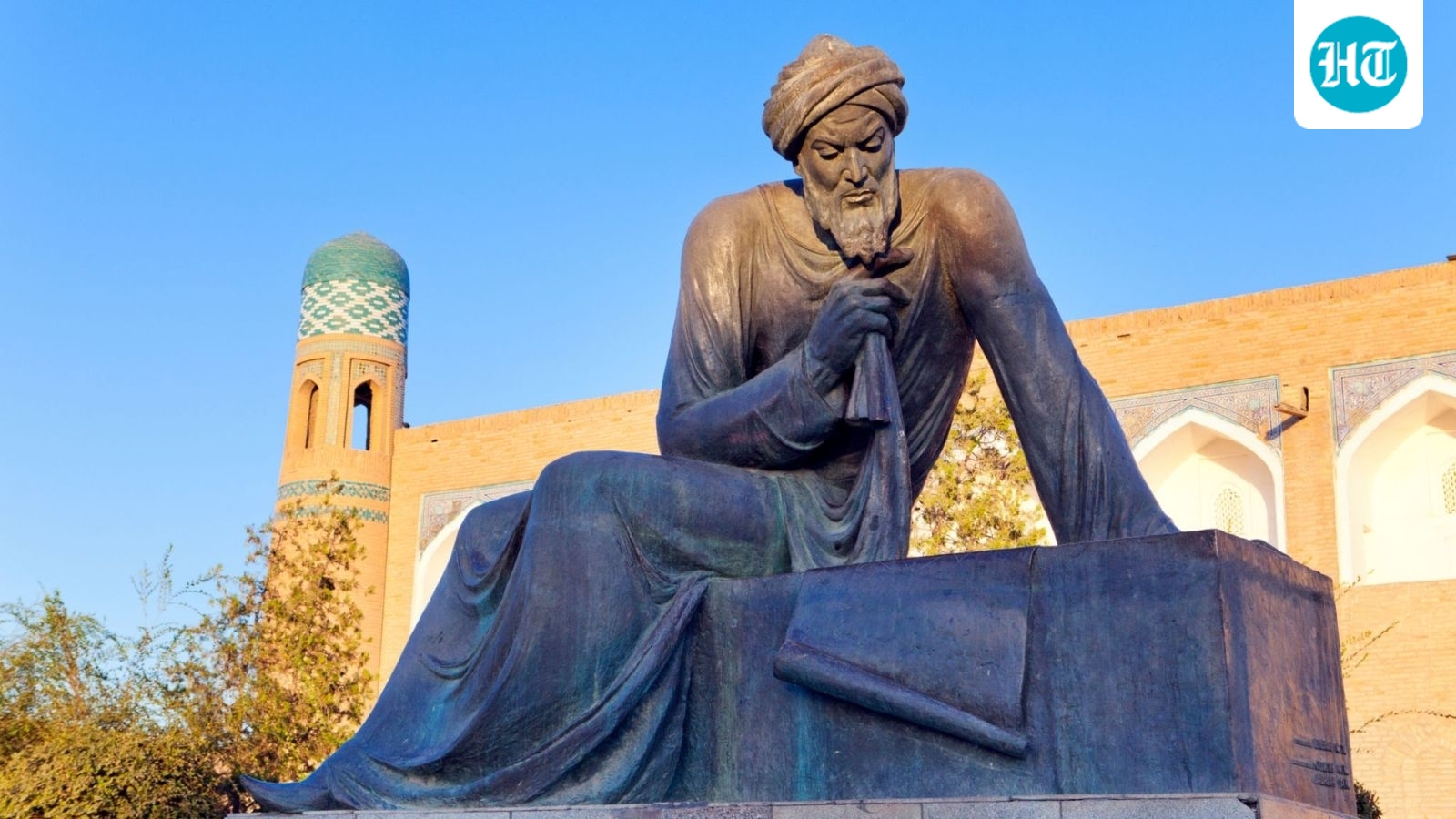
In a work generally dated to around 825 CE, the Baghdad-based scholar Muhammad ibn Musa al-Khwarizmi explained calculation using Hindu numerals, including zero. Medieval Latin versions of his name helped give us “algorithm”; the title of another work, al-jabr, gave us “algebra.”
The etymology carries a warning. An algorithm is not an oracle, but a method for turning inputs into outputs—once through human-written rules and now, increasingly, through patterns learned from data.
The recent machine-learning era of AI was largely about prediction: finding patterns in data. Generative AImade it possible to produce language, images, and code. The new systems go further—models can now propose proofs, diagnoses, designs, and decisions that appear original and authoritative. Each advance has reduced the cost of producing plausible answers. It...
Copyright of this story solely belongs to hindustantimes.com. To see the full text click HERE