

Toward a future that preserves benefits of neurotechnology for all
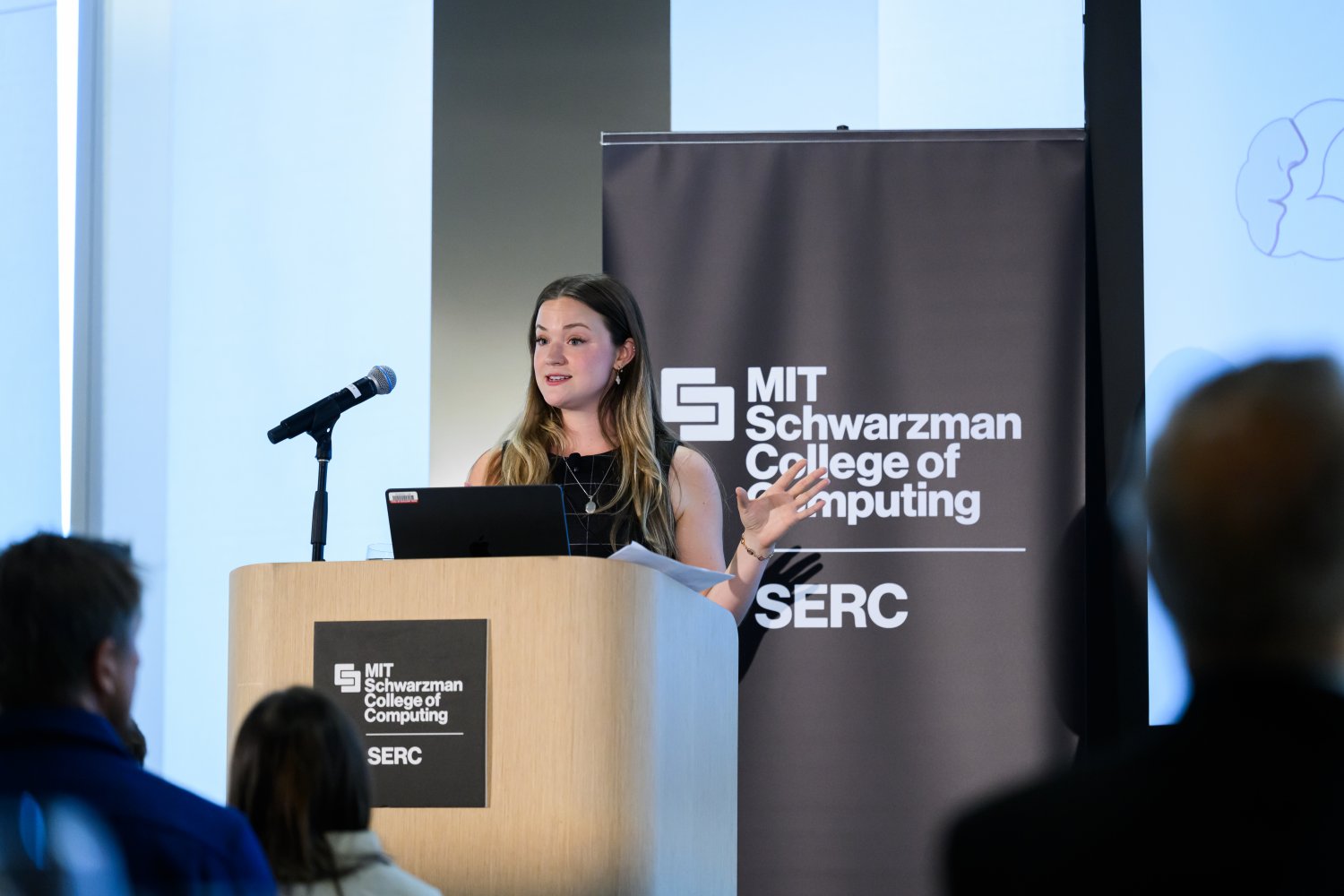
As advanced medical technology gets closer to hitting consumer markets, the need for guardrails on protected usage should increase. What might begin as a neural implant to aid in communication could become a device used to police one’s innermost thoughts.
Intrigued by the far-reaching benefits and risks of neural implants, Rachel Sava, a PhD candidate in the Harvard-MIT Program in Health Sciences and Technology, explores how a life-changing medical device can become a tool for surveillance by corporations and government entities in her winning submission, “Superintelligence, Superintimate,” for the fourth annual Envisioning the Future of Computing Prize.
Sava’s concept was inspired by an internship at IBM, where she worked on a project with the PACE Center in London. “A mentor on the project was Kevin Brown, who had himself designed one of the earliest brain decoders — an EEG-based system he built for a colleague who had...
Copyright of this story solely belongs to mit.edu. To see the full text click HERE