
This 'truly modular' keyboard can be built like a Lego set — meaning you can add as many keys as you…
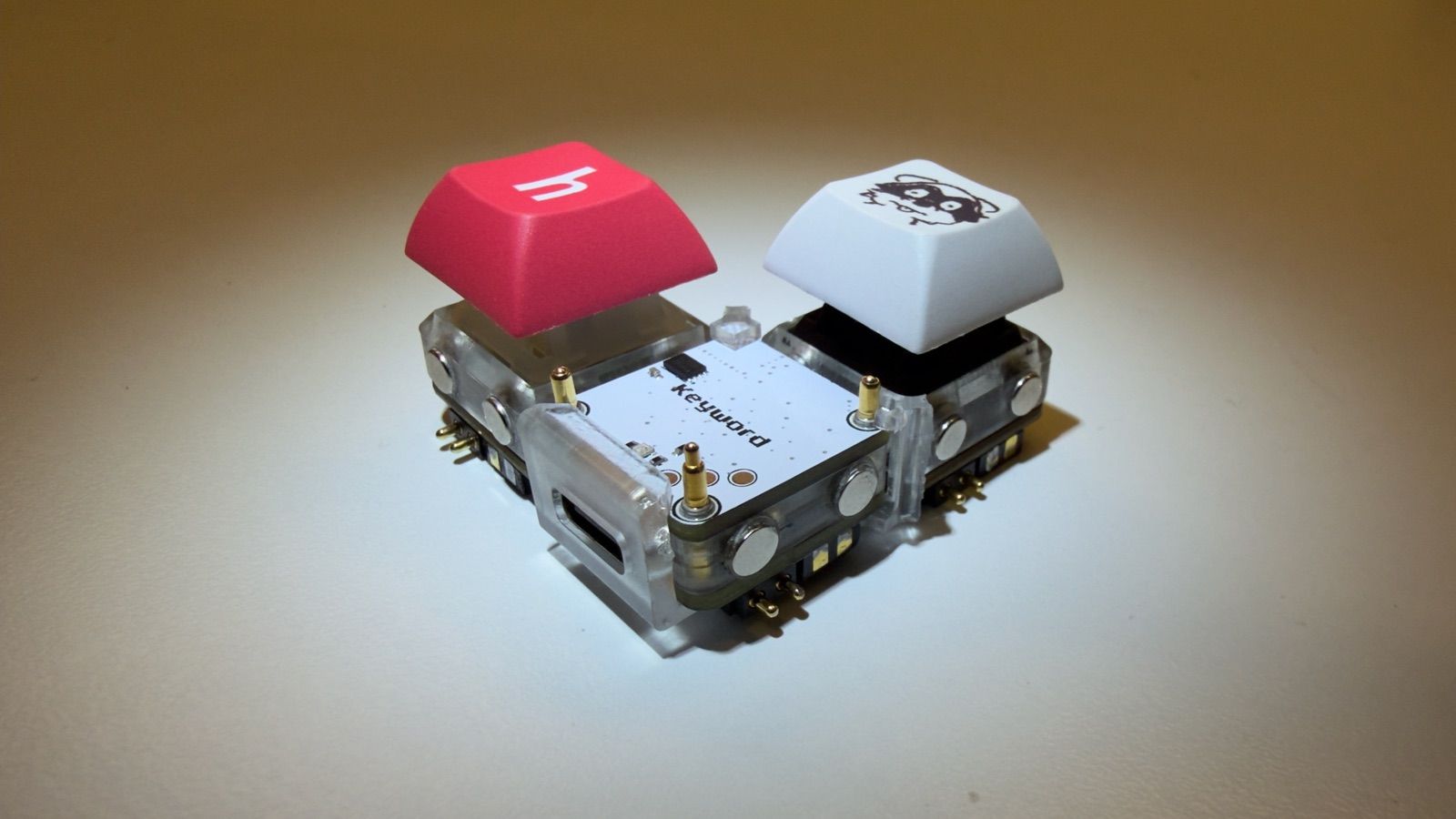
- Keybytes lets users assemble custom keyboards from magnetically connected individual keys
- Every Keybit contains its own RISC-V microcontroller for individual key operation
- A full-size Keybytes configuration could cost approximately $900 to assemble
MIT student Nathan Alspaugh has developed Keybytes, an open source keyboard project that lets users create custom layouts by connecting individual keys to a central controller.
The design uses magnetic connections and dedicated microcontrollers to support flexible arrangements.
Keybytes consists of two main elements: the Keyword controller and individual Keybit modules, which connect magnetically to form a personalised keyboard.
Magnetic keys allow custom layouts
Each Keybit contains a RISC-V microcontroller, allowing individual keys to operate independently rather than relying entirely on one central processor.
Every Keybit measures 19.05 x 19.05mm, corresponding to a standard 1U keyboard unit.
Its four-sided pogo pin connections carry power and I2C communications, allowing modules to connect through different edges and accommodate varied arrangements.
...
Copyright of this story solely belongs to www.techradar.com. To see the full text click HERE