

The patch window is collapsing: Why security needs a new control plane
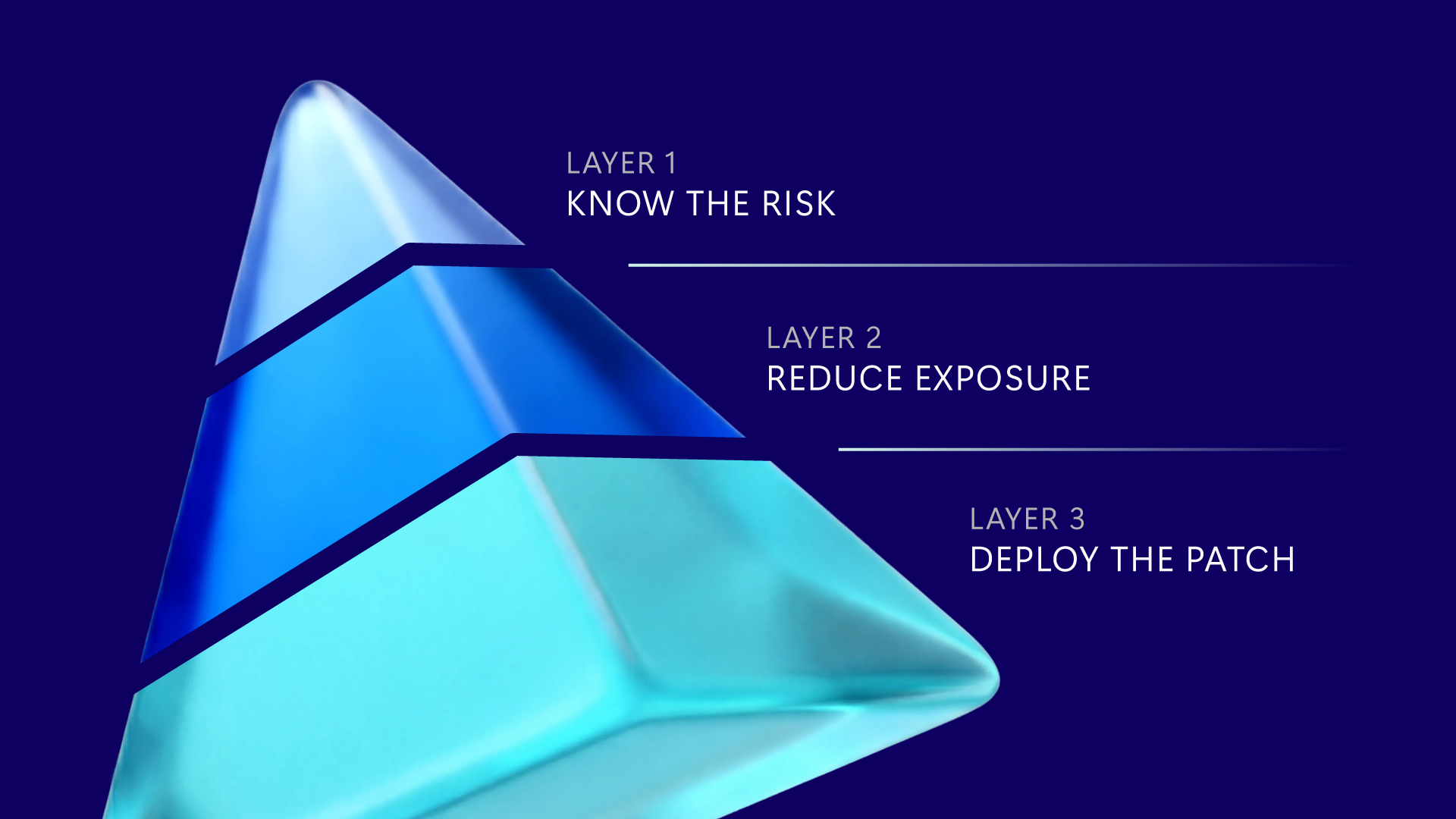
For decades, cybersecurity defenders have relied on a relatively straightforward model: a vulnerability is disclosed, security teams assess exposure, test available fixes, deploy patches into production, and ultimately close the risk before attackers can exploit it at scale.
That model increasingly reflects a world that no longer exists.
Today’s enterprises operate thousands of interconnected workloads across hybrid and multicloud environments. Mission-critical applications power revenue-generating services, customer experiences, and core business operations that cannot simply be taken offline whenever a security update becomes available. At the same time, vulnerabilities are becoming more visible, more widely distributed, and more rapidly weaponized than ever before.
The result is a growing gap between how quickly organizations can safely remediate vulnerabilities and how quickly adversaries can exploit them. It is time to rethink how the industry approaches security during the critical period between disclosure and remediation.
The patch window has collapsed
Traditional vulnerability management was...
Copyright of this story solely belongs to microsoft.com. To see the full text click HERE