
The human eye may hold the fix for self-driving cars
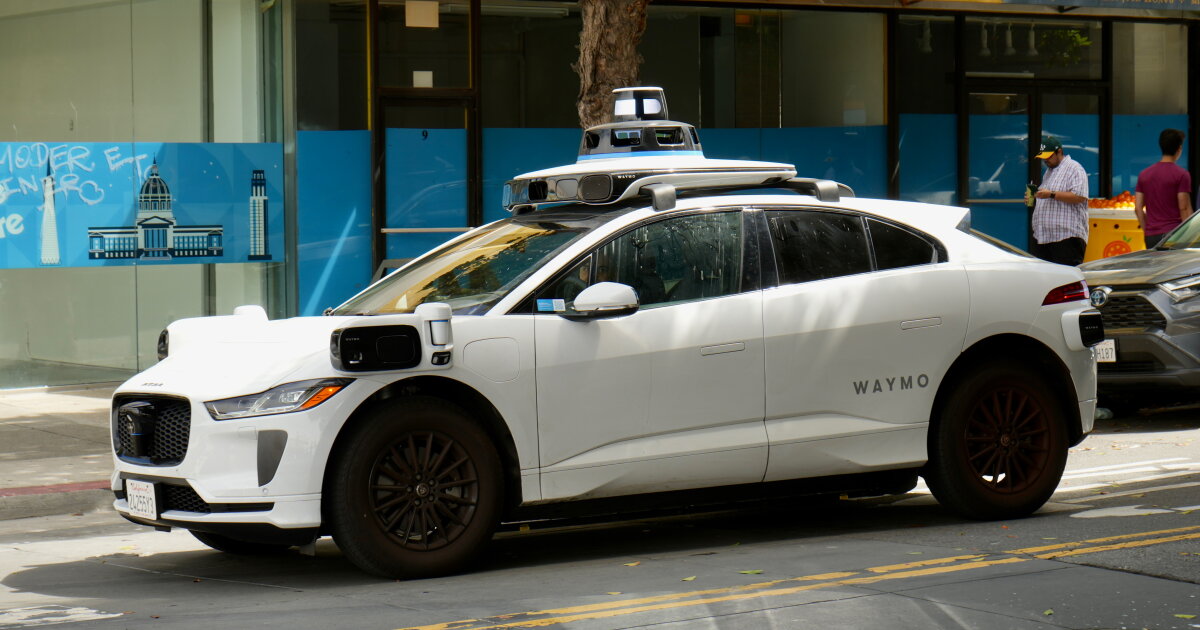
In today’s world, more and more daily tasks are being fully automated. Robotic devices can work independently, and they are often more efficient than humans. Yet, in some aspects, technology still cannot match what nature has created. One example is vision. Advanced cameras are used in modern robots and self-driving cars, allowing them to detect and recognize objects quickly and accurately, but there is one thing with which they still struggle: sudden changes in lighting. A research team from Pennsylvania State University may have found a solution.
Driving at night is quite a challenge even for humans, not to mention robots. There is glare from streetlights, bright headlights from oncoming vehicles, and dark skies in the background. The human eye adapts to these lighting contrasts pretty quickly without us noticing it too much, but there is quite a complex mechanism behind that, and here's how it works...
Specialized cells in...
Copyright of this story solely belongs to newatlas.com. To see the full text click HERE