

The end of Moore's Law? Huawei unveils new chip architecture, which it hopes can help it cut the gap on Nvidia and…
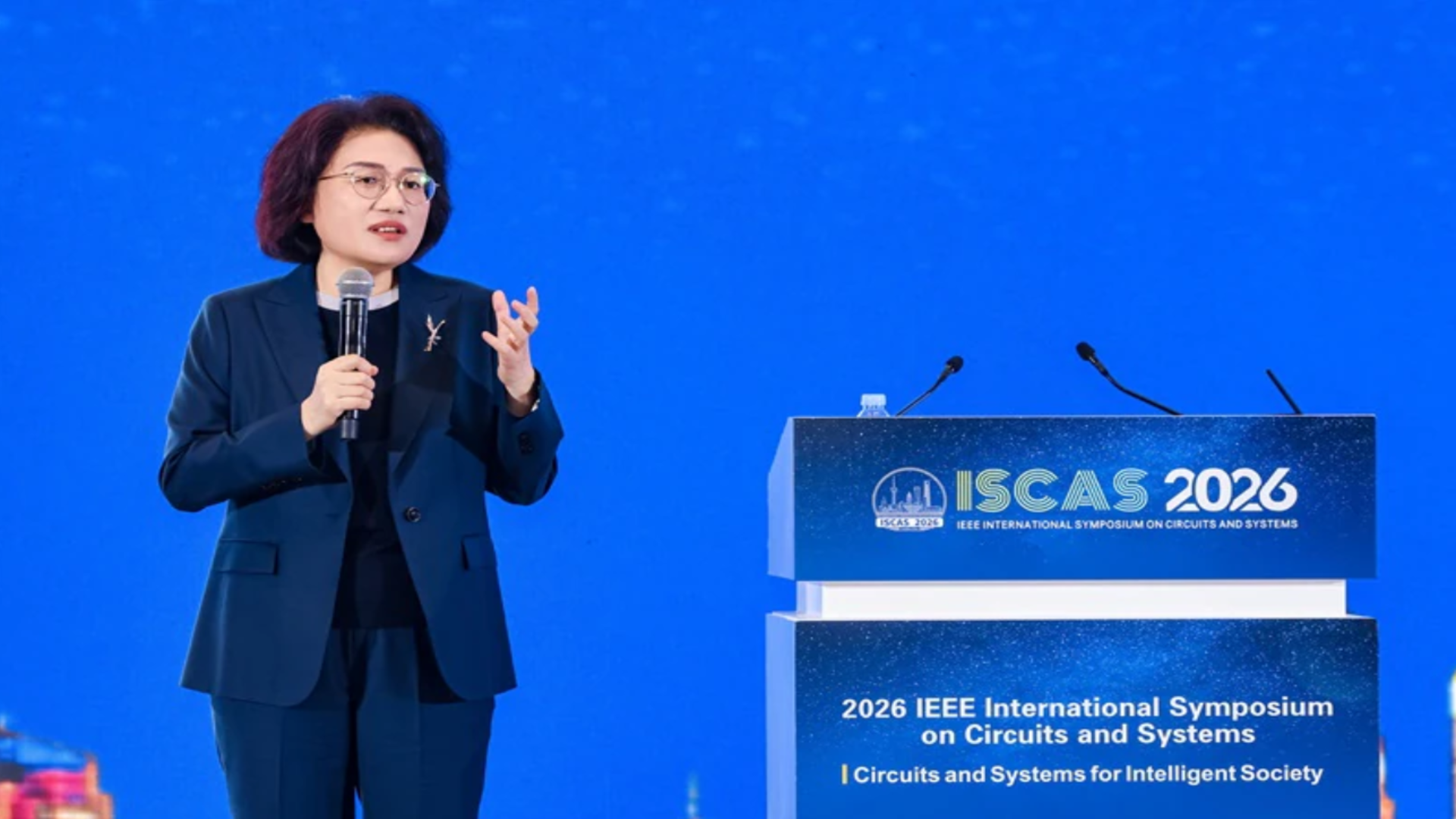
- Huawei proposes Tau Scaling Law as an alternative to slowing Moore’s Law
- LogicFolding architecture reduces signal delay through vertically stacked semiconductor circuit designs
- Traditional transistor shrinking faces growing physical and economic limitations across the semiconductor industry
For more than five decades, the semiconductor industry has relied on a simple and powerful prediction, Moore’s Law, which states that transistors on a chip double roughly every two years, has now hit serious physical and economic walls.
The global industry faces slowing geometric scaling and the steady erosion of cost-per-transistor benefits.
This common challenge has forced every major player to search for a new path forward, and at the 2026 IEEE International Symposium on Circuits and Systems (ISCAS), Huawei’s He Tingbo proposed an alternative framework called the Tau (τ) Scaling Law.
A new guiding principle from Shanghai
According to Huawei, peers and colleagues have already nicknamed this approach “Her’s Law” in recognition...
Copyright of this story solely belongs to techradar.com. To see the full text click HERE