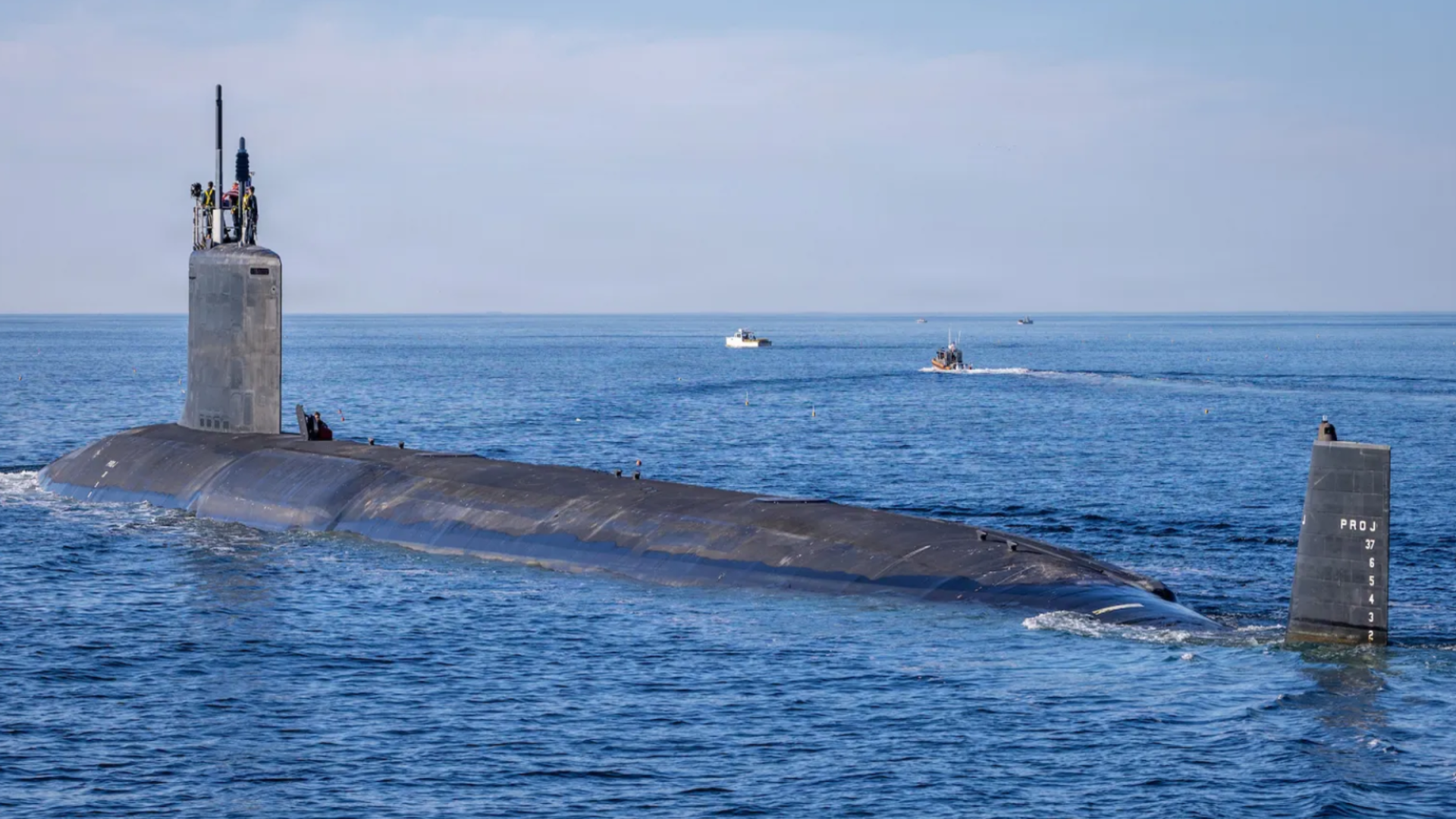

The Claim Was Never Verified, And Yet, The Report Looked Official
In Spring 2026, an analyst at U.S. Special Operations Command used an artificial intelligence chatbot to synthesize open-source information and classified signals intelligence about a Chinese vessel in the Middle East. The chatbot erroneously concluded that the ship was transporting components for a nuclear weapons program. The analyst then used AI to turn the assessment into an official-looking intelligence summary that was distributed through military command channels.
Military personnel prepared to board the vessel, and military aircraft were already in the air before officials reviewed the intelligence more closely and canceled the operation. A source familiar with the incident described the intelligence as “entirely false,” although public reports have not disclosed the vessel’s actual cargo (Mehta; Boniello).
The episode involved more than a chatbot producing an incorrect answer. It demonstrated how generative AI can transform an uncertain inference into work that appears to carry institutional authority more quickly than an...
Copyright of this story solely belongs to hackernoon.com. To see the full text click HERE