

Teach Token-Budget Literacy Before Prompting
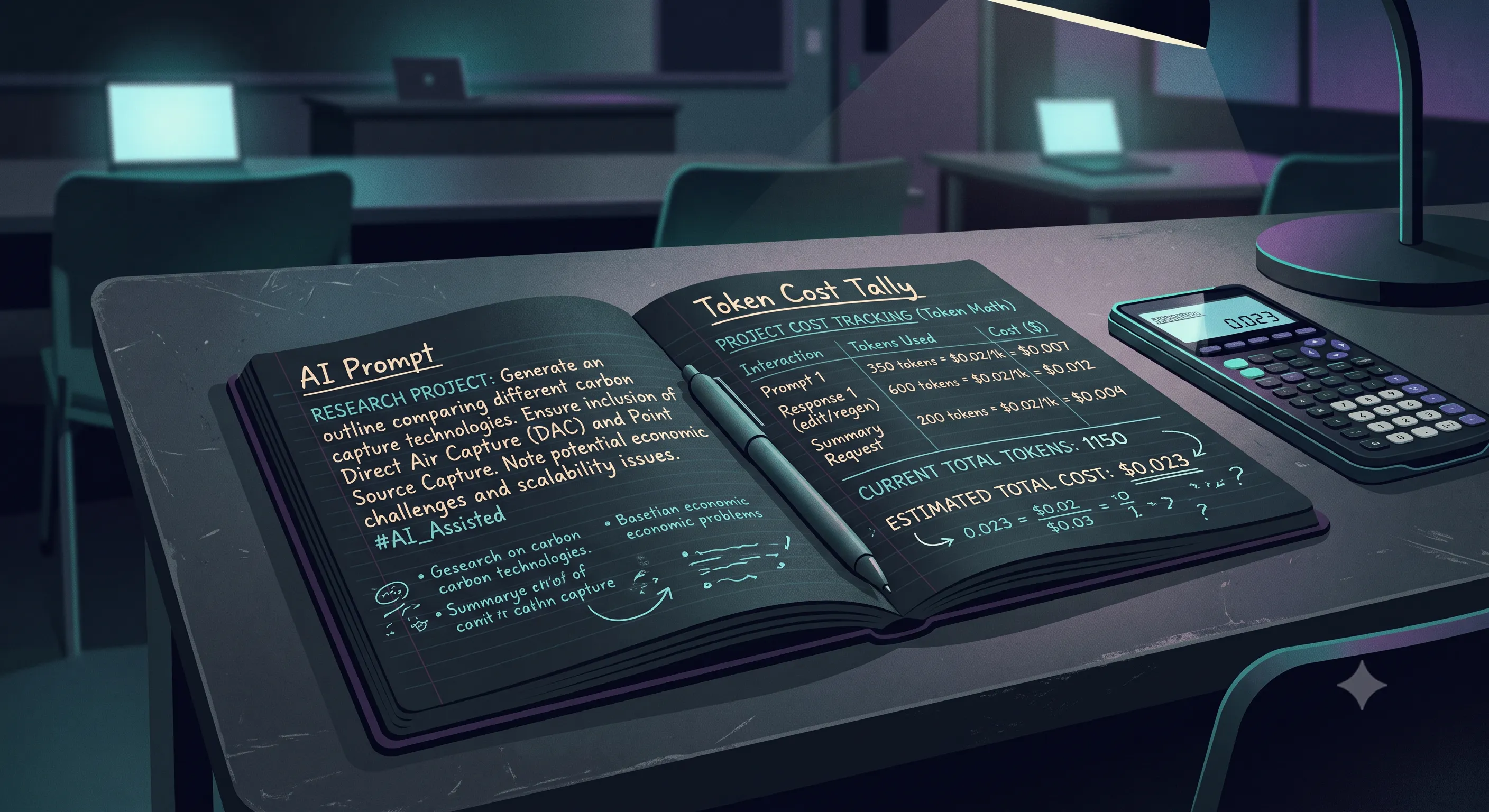
I have a contrarian bet that drives my research and my writing. Token economics, cost per inference, and carbon footprint will determine which AI programs survive past 2027. Boring infrastructure math, not model capability, will sort the winners from the failures.
If that bet is right, we are teaching the next generation of builders the wrong half of the skill. Every AI curriculum I see teaches prompting. Almost none teaches what a prompt costs. A student can graduate able to coax a clever answer out of a model and unable to tell you whether that answer cost a hundredth of a cent or a dollar.
That gap matters because the economics are about to bite. LLM inference prices fell roughly 80% between early 2025 and early 2026, driven by model efficiency gains and provider competition [1][2]. That sounds like the problem is solving itself. It is doing the opposite. Cheap...
Copyright of this story solely belongs to hackernoon.com. To see the full text click HERE