Survivorship Bias in Mobile Observability
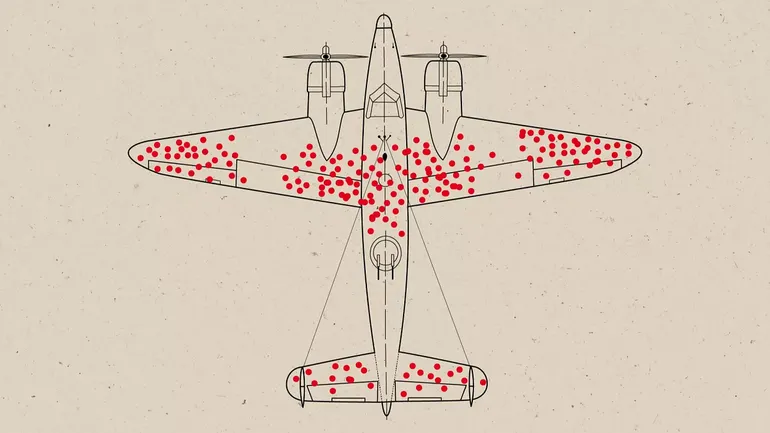
During World War II, the Allied military was struggling with a problem: their bombers were returning from raids riddled with bullet holes. Naturally, they wanted to armor the planes to make them safer. They sat down with the data, looked at the damage patterns, and noted one important finding: there were far more bullet holes in the wings and the fuselage than anywhere else.
Their initial instinct was to add extra armor where the damage was concentrated. But Abraham Wald, a mathematician with Columbia University’s Statistical Research Group, pointed out what the data couldn’t show.
The data only included the planes that made it back. The planes that were hit in the engines, the cockpit, or the tail section weren’t in the hangar to be inspected, because those were the ones that were shot down and never made it back. The blank spots on the diagram weren’t actually safe...
Copyright of this story solely belongs to www.ciodive.com. To see the full text click HERE