

Stop Trusting Notification URLs
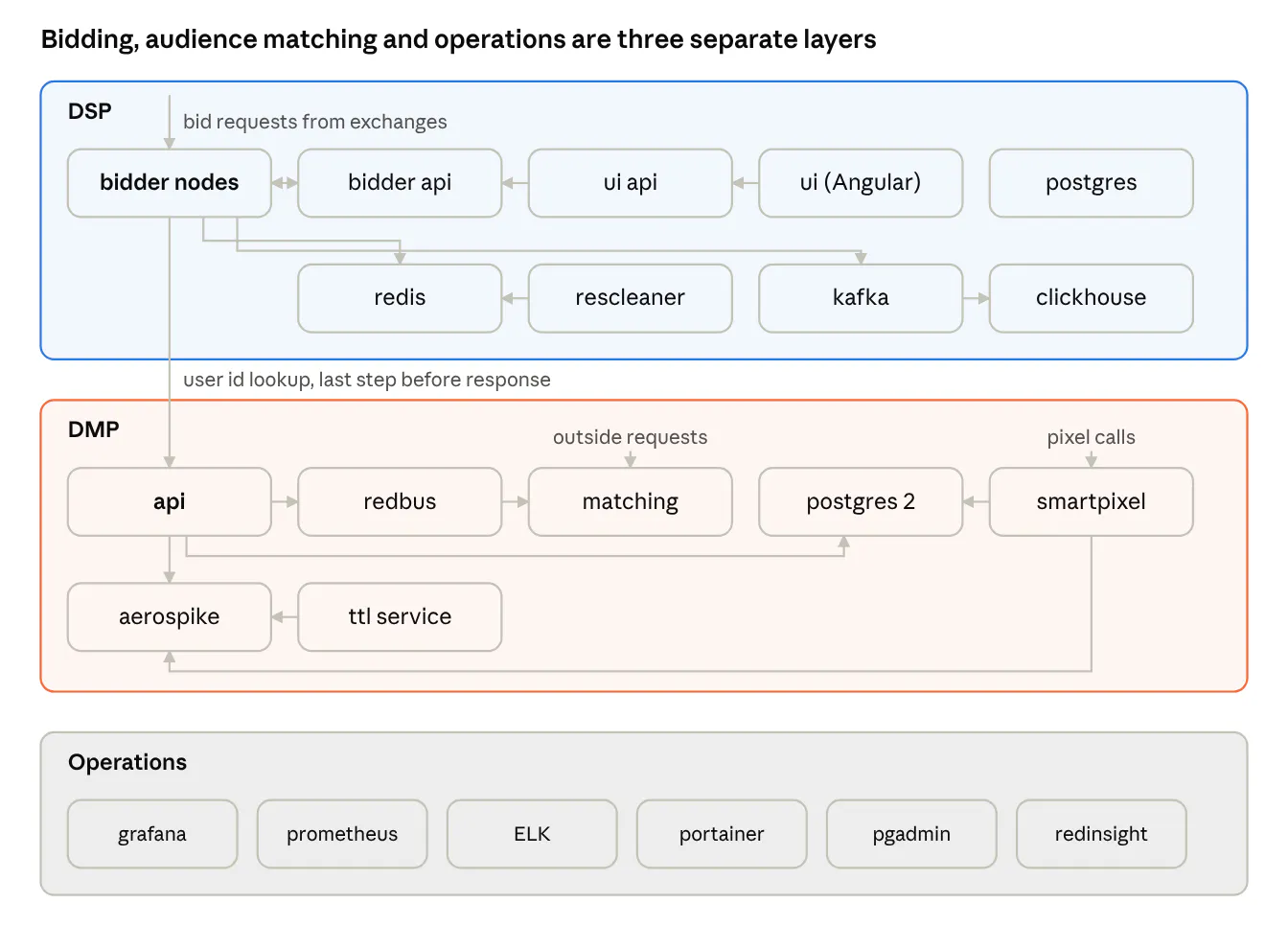
TL;DR: Every bid response a DSP sends carries URLs that anyone who has seen the response can call: impression, click, win, billing. Most DSPs count whatever comes in, which is where discrepancy reports come from. We treated a notification URL like a cheque: valid only if we issued it, for that bid, and it hasn’t been cashed. The bidder mints hashes and a spend reservation at bid time; every callback is checked against them, duplicates and replays are rejected, and unclaimed reservations expire after 45 minutes. Result: about 6% of callbacks rejected as unverifiable, and reported impressions within 1% of the exchanges’ figures.
Every bid response a DSP sends contains a set of URLs: call this one when the ad is shown, this one when it is clicked, this one when the auction is won, this one when it is billed. The exchange, the publisher’s page, and anyone else who...
Copyright of this story solely belongs to hackernoon.com. To see the full text click HERE


