
Should You Still Worry About OLED Burn-In In 2026?
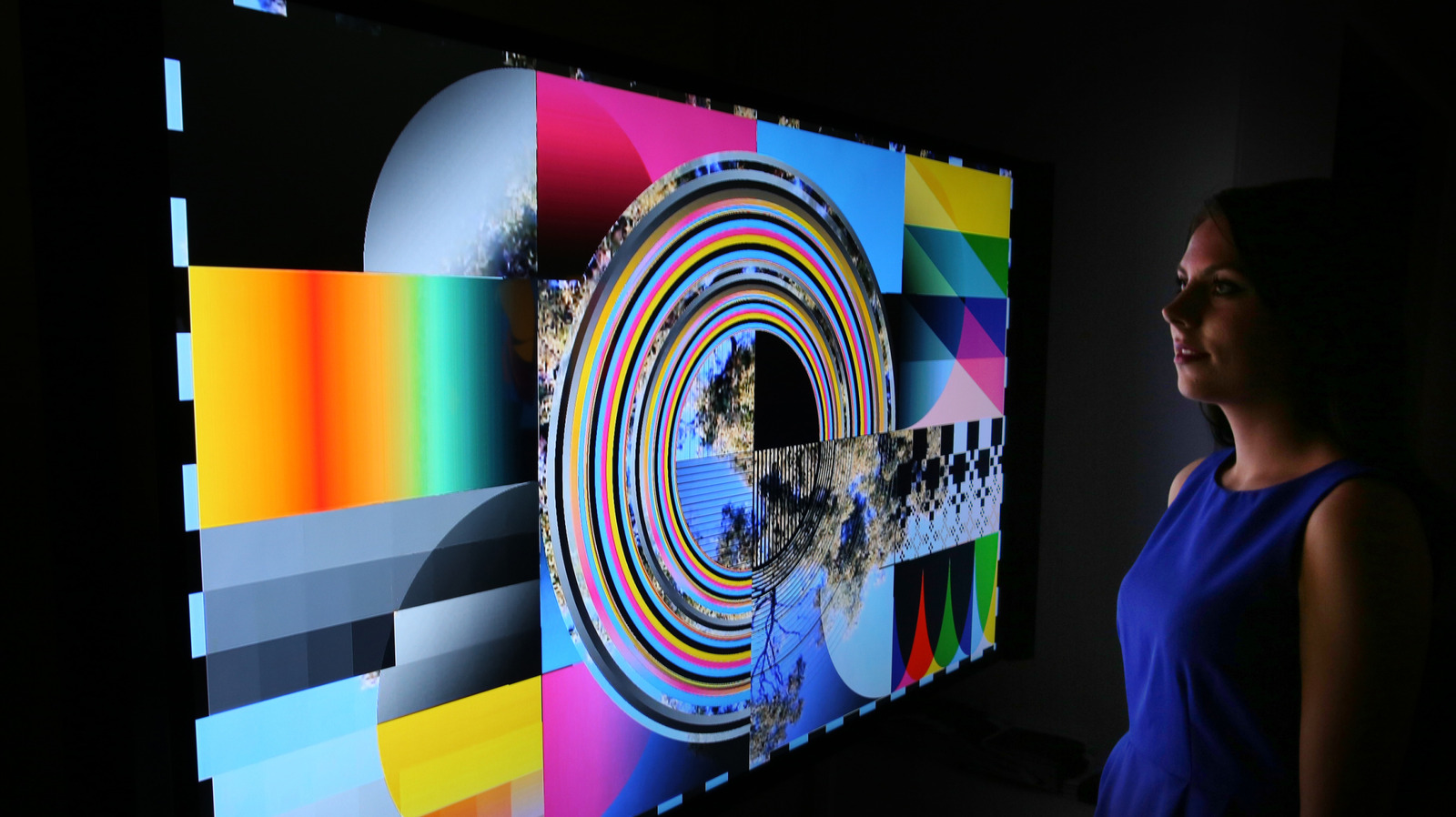
Burn-in is often overblown, but understanding the phenomenon is still important.
Peter Macdiarmid/Getty Images
Organic Light-Emitting Diode (OLED) televisions have revolutionized the home viewing experience. By ensuring that every pixel in your display is individually illuminated, OLED screens enhance images by providing deeper contrasts, fast refresh rates, and wide viewing angles. Despite these gains, early OLED televisions came with significant drawbacks. One notable problem was known as burn-in, in which OLED displays retain images even after they left the screen.
Burn-in is an unfortunate byproduct of OLED's organic pixels, or diodes, which are more delicate than the synthetic ones used in LED screens. OLED screens also don't use an extra light source, such as a backlight, for illumination. Instead, each pixel self illuminates and shuts down when not displaying color, creating more vibrant hues and deeper blacks. Although self-illumination enables better contrast ratios, it also asks each individual pixels to...
Copyright of this story solely belongs to engadget.com. To see the full text click HERE