

Routine vaccines may cut dementia risk—experts have startling hypothesis on how
A hypothesis
Vaccines may be training a part of our immune system long thought to be untrainable.
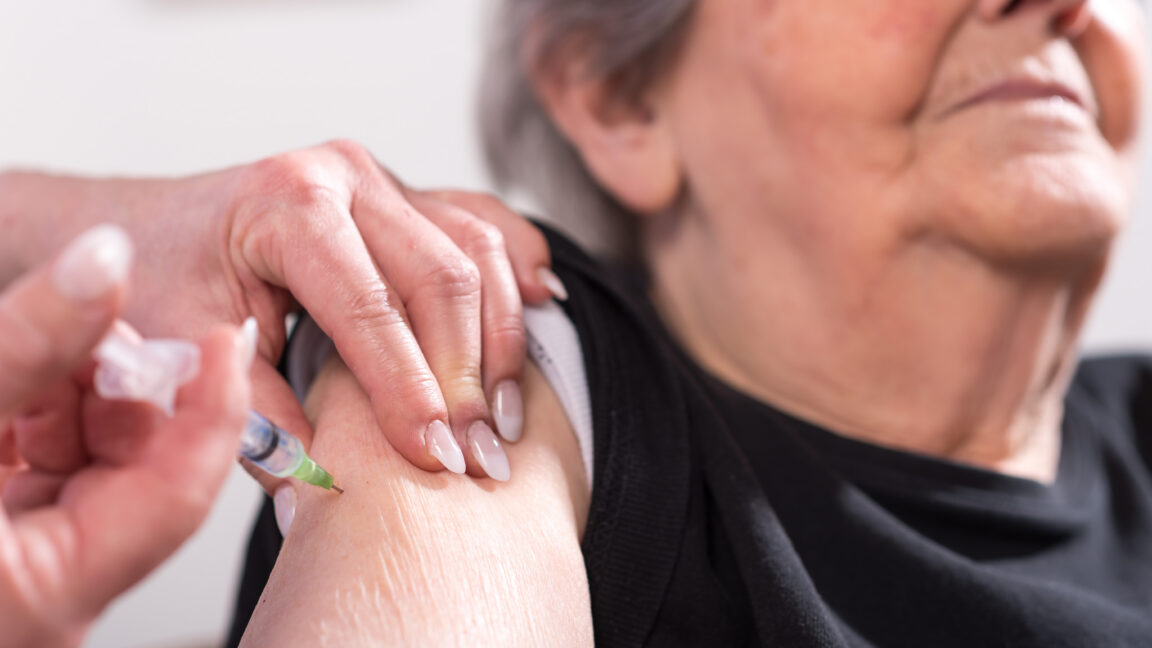
More and more routine vaccines are being linked to lower risks of dementia. Shots against seasonal flu, RSV, tetanus, diphtheria, and pertussis (Tdap), pneumococcal infections, hepatitis A and B, and typhoid have all been linked to lower risks. And one of the strongest connections is from vaccination against shingles, with more data supporting the link still coming in. But as the evidence mounts, scientists continue to puzzle over the pleasant surprise—how are vaccines that target specific pathogens inadvertently shielding our minds from deterioration?
A burgeoning hypothesis offers a brow-raising possibility: The shots may be protecting our noggins by training the part of our immune system that had long been considered untrainable. If the idea holds up, it could generate a deeper understanding of fundamental aspects of our...
Copyright of this story solely belongs to arstechnica.com. To see the full text click HERE