

Robotic bird targets drones' biggest aerodynamic shortcoming
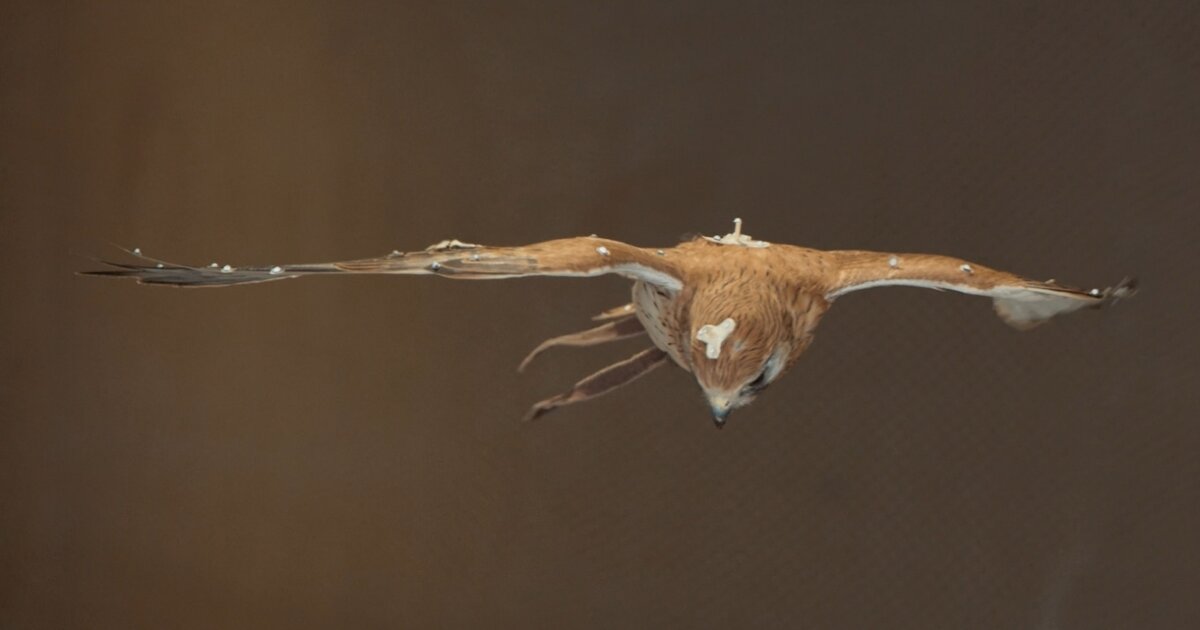
A robotic bird tested in a wind tunnel may hold the blueprint for drones that can finally handle a windy day. Researchers from RMIT University (in Melbourne, Australia) and the University of Bristol (UK) have reverse-engineered the Australian kestrel (Falco cenchroides) to understand how it hovers effortlessly in gusty winds and what that means for the small unmanned aerial vehicles (sUAV) that still can't.
When the wind picks up, it's time to land the drone and go home. That's true whether it's carrying a package, a camera, or a warhead. And it's not a minor inconvenience, it's a fundamental aerodynamic limitation. The findings, published across two papers in the Journal of the Royal Society Interface (1 and 2), show that a vertical gust of the same magnitude as a horizontal one generates between 25 and 100 times more lift variation in a small...
Copyright of this story solely belongs to newatlas.com. To see the full text click HERE