

Reduced Knowledge Friction Shaped Civilization
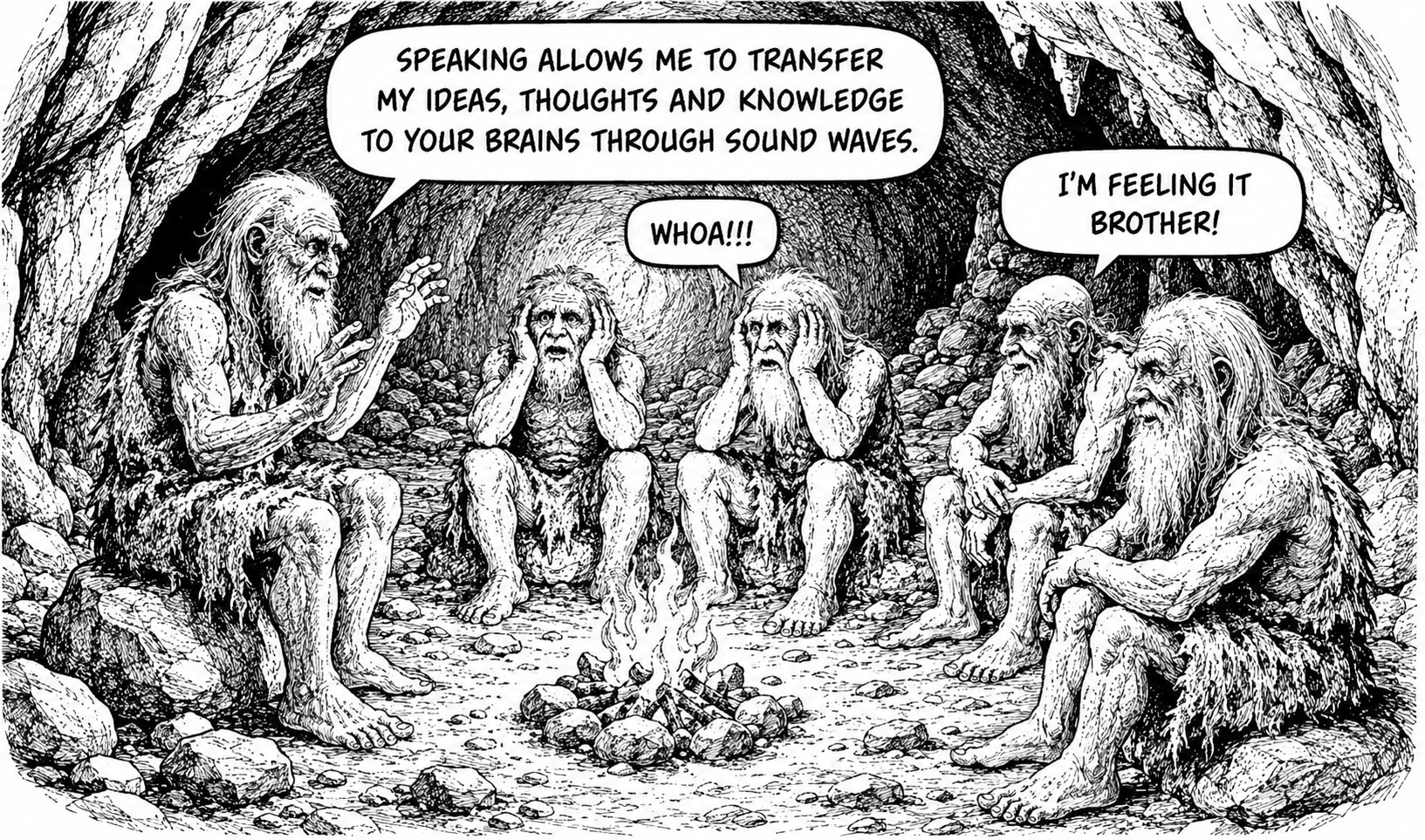
Human history is often told as a story of inventions, discoveries, leaders, and institutions. We celebrate the wheel, writing, the printing press, electricity, computers, and artificial intelligence. We tell stories about explorers, entrepreneurs, scientists, and statesmen. Yet beneath these visible events lies a less obvious force that may explain more than any individual invention or leader.
That force is Knowledge Friction.
Knowledge Friction is the resistance that slows, distorts, blocks, fragments, or prevents the movement of knowledge from where it exists to where it is needed. It is the gap between knowing and understanding, between understanding and action, and between action and coordinated outcomes.
Just as physical friction resists movement in the material world, Knowledge Friction resists movement in the informational world.
Throughout history, civilizations have largely advanced by reducing Knowledge Friction.
The earliest human societies relied on oral traditions. Knowledge moved only as fast as people could walk, speak,...
Copyright of this story solely belongs to mobileboundary.com. To see the full text click HERE


