NASA's Voyager 1 Hits One Light-Day Out Despite Dying Nuclear Battery
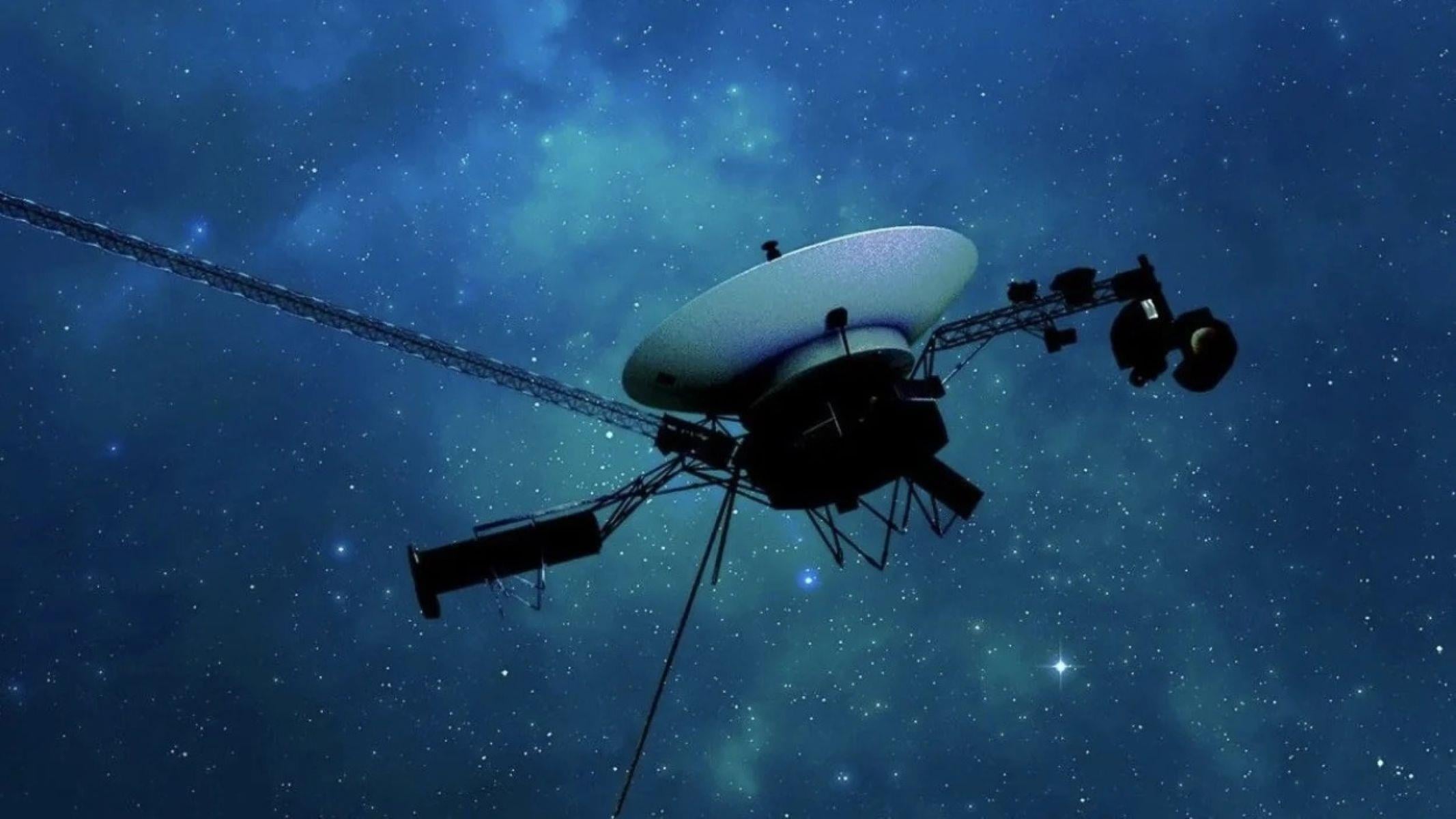
Already the farthest-flying spacecraft ever, Voyager 1 has crossed one light-day from Earth nearly five decades after leaving the launchpad in 1977.
Picture a beam of light streaking through empty space at roughly 186,282 miles per second. Give that beam a full 24 hours, and it covers about 16 billion miles. Be that as it may, NASA's Voyager 1 reached that same distance on November 18, making it the first human-made object to put a full light-day between itself and home. In comparison, sunlight takes a little over eight minutes to reach Earth, and even Neptune sits roughly four hours and ten minutes away at light speed. Voyager 1 has pushed far past our planetary neighborhood into the vast expanse of interstellar space.
Functionally, hitting one light-day changes the everyday rhythm of talking to the probe. Because radio signals travel at the speed of light, a message sent from Earth...
Copyright of this story solely belongs to hothardware.com. To see the full text click HERE