NASA's Freeze-Proof Moon Battery Tech Could Revolutionize EVs
NASA is advancing new battery technology that can thrive in the brutal thermal extremes of the lunar surface. As part of the planned manned return to the Moon (under the Artemis program), energy storage systems must endure environments where nighttime temperatures drop to a frigid minus 328° Fahrenheit and daytime heat can exceed 212°F.
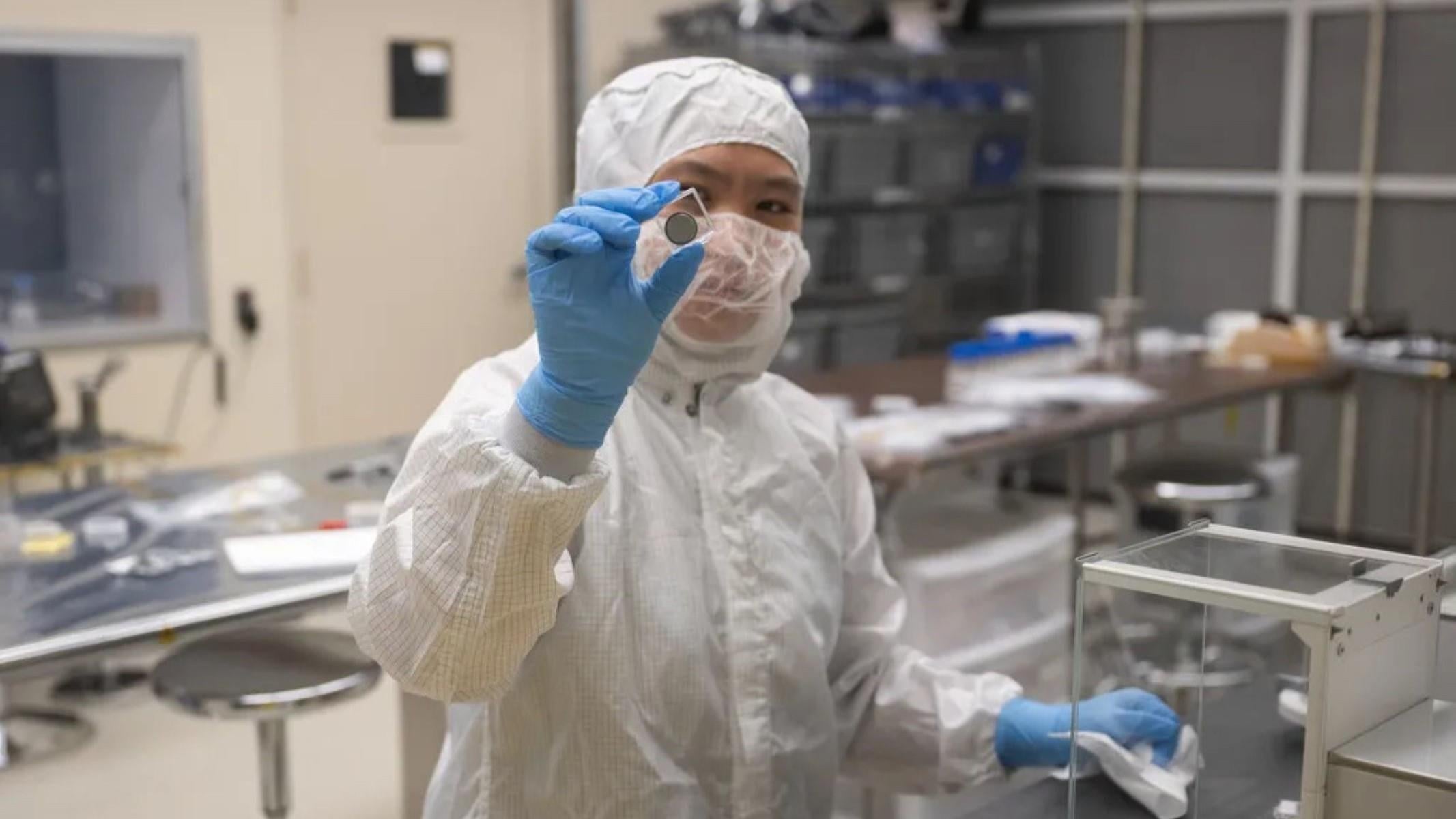
As they are, lithium-ion cells possess liquid electrolytes that quickly freeze, rupture, or degrade in deep space temperatures, requiring massive, power-consuming heating systems just to stay operational. With that in mind, NASA's Glenn Research Center, Langley Research Center, and Ames Research Center have partnered on the Solid Power for Extreme Environment Adaptability and Resilience in Space (SPEARS) project. SPEARS batteries rely on advanced solid ceramic or polymers, which can better withstand the extreme lunar environment.
During thermal vacuum testing, prototype coin-cell batteries proved they could successfully operate in temperatures as low as minus 112°F (minus...
Copyright of this story solely belongs to hothardware.com. To see the full text click HERE