
Moscow tightens regulation on SIM market to crack down on fraud and 'attackers' — Anti-Fraud 3.0 could…
- Russia could slash SIM sellers as new rules tighten mobile registration
- New SIM cards could arrive without money under Russia’s fraud measures
- Anti-Fraud 3.0 could replace thousands of smaller SIM-selling intermediaries
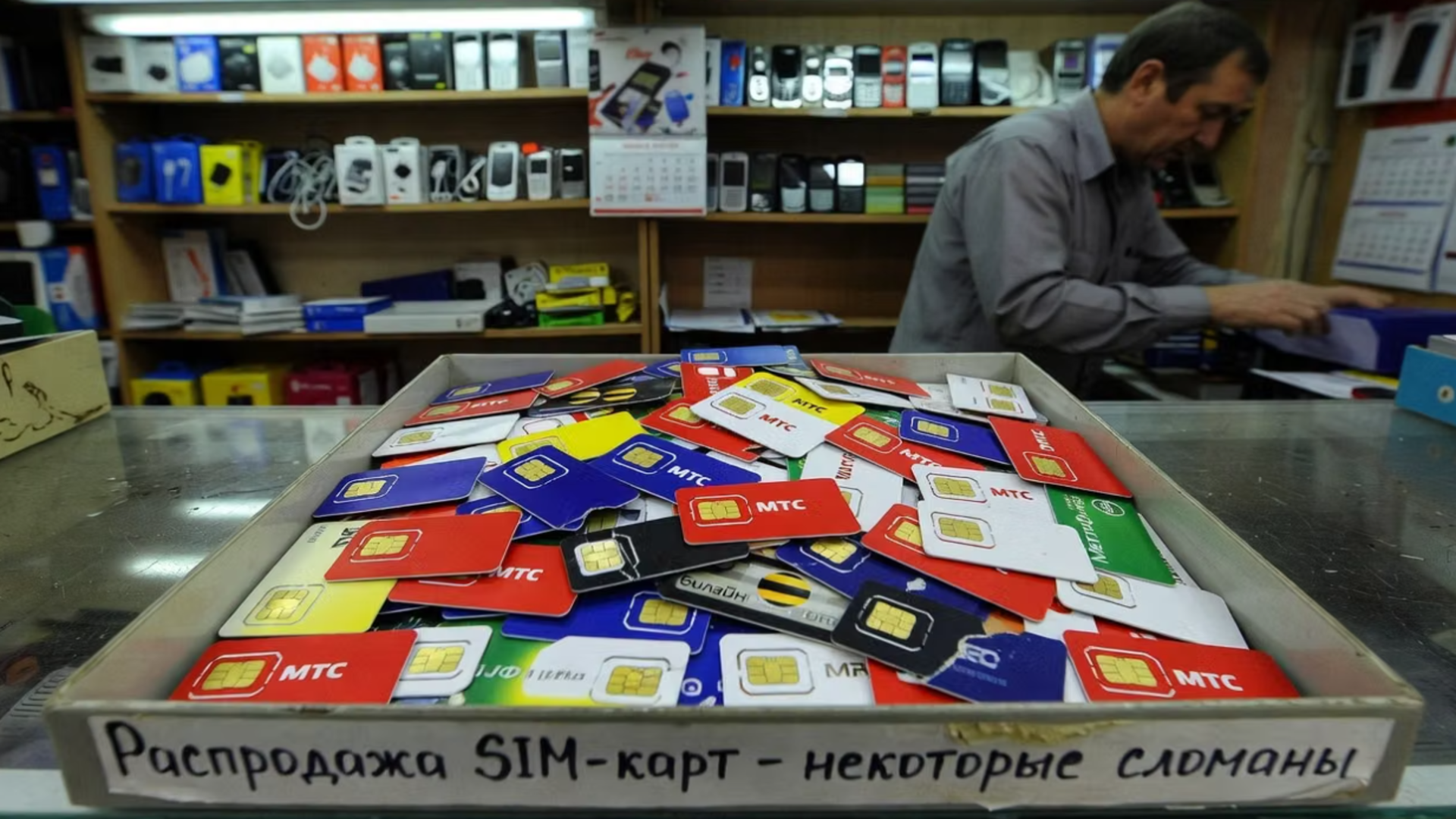
Moscow is preparing a new round of anti-fraud rules, dubbed Anti-Fraud 3.0, that would sharply shrink the number of people allowed to sell SIM cards.
The proposals would reserve number registration for direct dealers while requiring new SIM cards to carry no funds before contracts are signed.
If adopted, the measures could change how Russians obtain mobile numbers and make prepaid SIM cards less useful in fraud schemes.
Russia could sharply reduce the number of SIM sellers
Individual entrepreneurs currently acting as intermediaries between operators and customers would therefore lose their ability to arrange subscriber agreements.
An industry estimate claims that these intermediaries account for almost half of physical SIM purchases across Russia.
The change could affect thousands of...
Copyright of this story solely belongs to www.techradar.com. To see the full text click HERE