

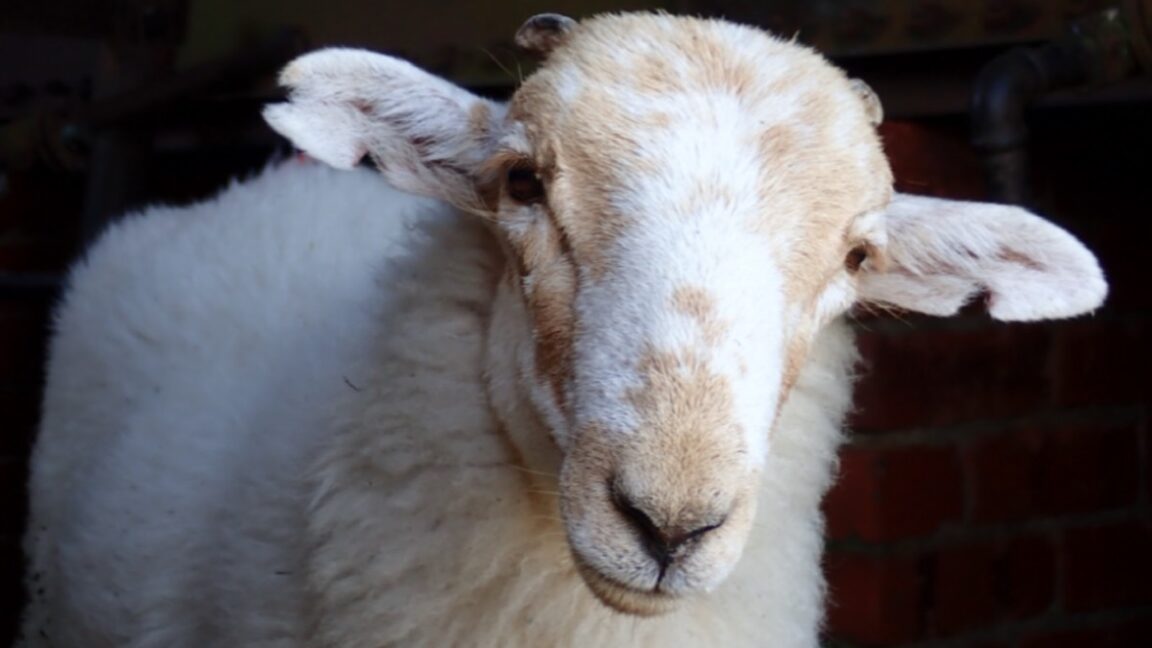
Medieval manuscripts are "biological time capsules" for deadly sheeppox virus
For instance, last year we reported on research that used microbial DNA analysis of human remains to identify the likely pathogens that killed many soldiers in Napoleon’s army in 1812. Two pathogens in particular stood out: Salmonella enterica, which causes paratyphoid fever, and Borrelia recurrentis, which is transmitted by body lice and causes relapsing fever. Both are consistent with written contemporary accounts.
Evolution of a virus
Cambridge, Trinity College, MS B.10.5, fol. 62v, the Epistles of St Paul, Ireland/Northumbria, 700–800 CE. Reproduced with kind permission of the Master and Fellows of Trinity College Cambridge
The team collected samples from medieval manuscripts housed in collections at Yale University, Cambridge University, Corpus Christi College, University College Dublin, the Lambeth Palace Library, and Trinity College, among others. Those works included pages from a 15th-century Speculum Historiale; the 15th-century Clairvaux manuscripts; several 9th-century gospel text fragments; the 9th-century Achadeus Psalter;...
Copyright of this story solely belongs to arstechnica.com. To see the full text click HERE