

‘If we don’t like it, we’ll kill it. If we love it, we’ll marry it’: We were dreaming about ChatGPT thousands of years before it existed — here's how ancient myths shaped the AI we’re building today
Whenever a new AI model is released in a cut-down form because it is too powerful, or one transgresses its sandbox and performs an unexpected cyber hack on a company’s website, we tend to see jokes made about Skynet or HAL 9000 becoming a reality.
But science fiction didn’t just predict our current relationship with AI, it influenced it. Our fascination with artificial life began long before computers — or even electricity — existed. Ancient Greek stories featured mechanical servants created by the god Hephaestus, while Jewish folklore gave us the Golem, an artificial being brought to life to carry out its creator’s commands.
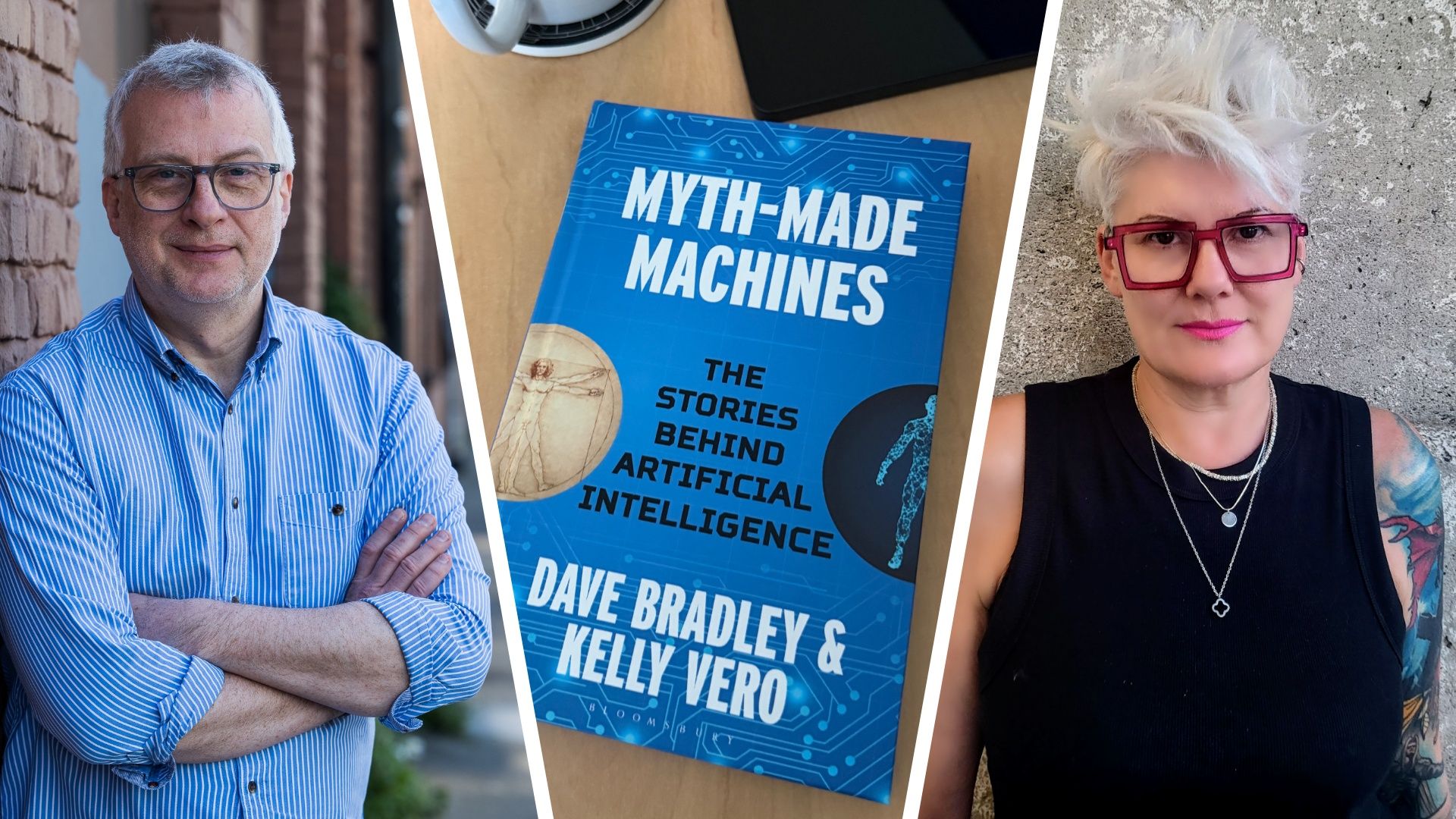
In their new book, Myth-Made Machines: The Stories Behind Artificial Intelligence, authors Dave Bradley and Kelly Vero trace humanity’s dreams and fears about machines that can think, through mythology, literature, movies and television.
Their argument is that these stories haven’t simply anticipated AI;...
Copyright of this story solely belongs to www.techradar.com. To see the full text click HERE