‘A fully secured critical site in 2030 does not look like a single technology’: Why drone visibility and…
Protecting critical infrastructure has long been a question of securing access from the ground – the assumption was that if you could control who entered a site, you could control most of the threats it faced.
But recent conflicts have proven that highly sensitive sites now face threats from three dimensions spanning both physical and digital.
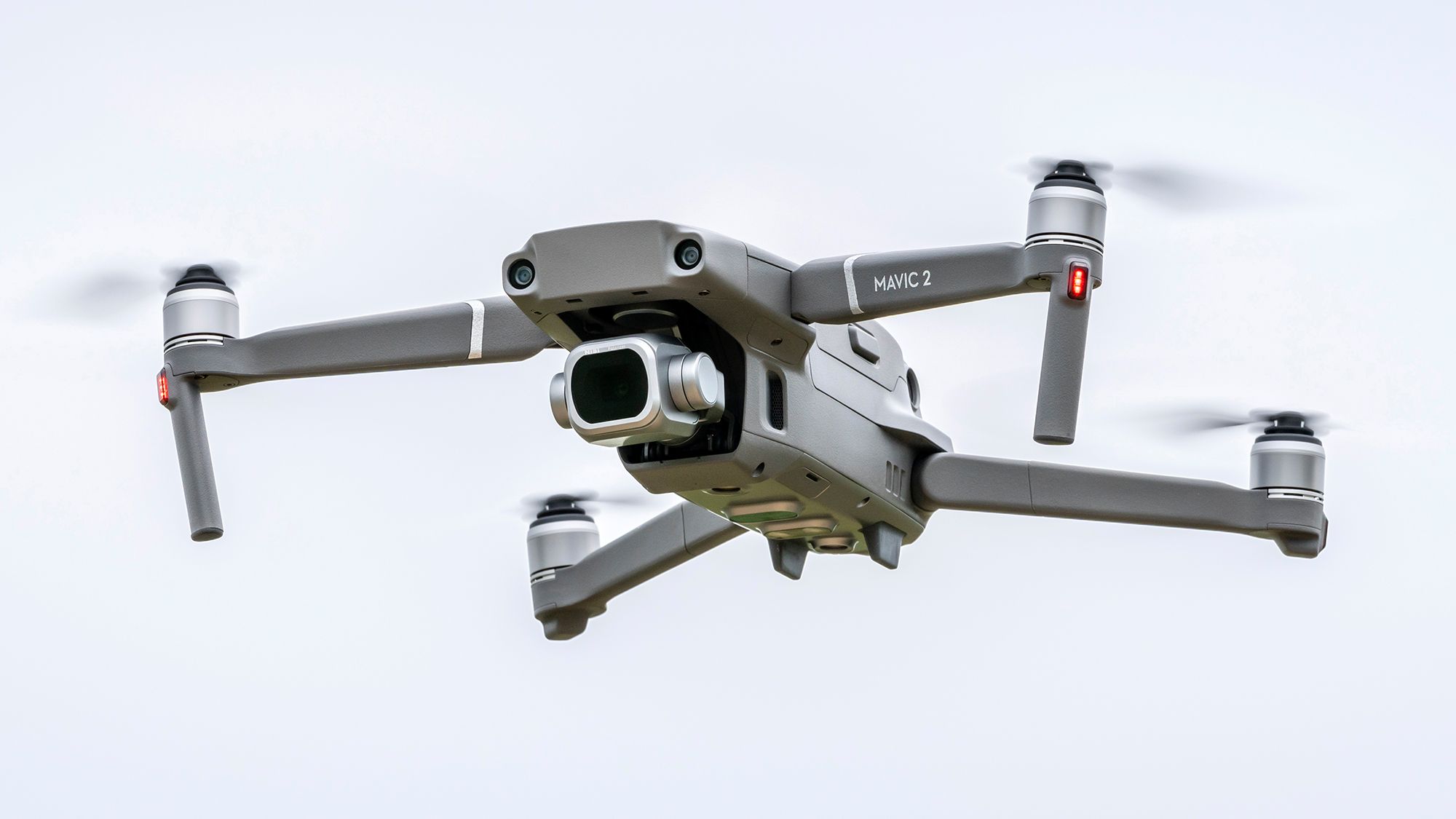
One of the biggest threats is the rapid rise of commercially available drones – cheap and accessible devices that can easily bypass the traditional checkpoints historically employed at these secure sites.
Newer drones are playing an increasing role in warfare, now that they’re able to fly farther, stay airborne longer and carry sophisticated payloads.
World governments are getting ready to tackle these changing risks and the rules are becoming ever more stringent. China, for example, recently tightened controls on drone ownership. Other governments have imposed more identification requirements, geofencing measures and new operational categories.
...
Copyright of this story solely belongs to techradar.com. To see the full text click HERE