

Like Google’s Project Loon, but for missiles: Ukraine is weaponizing stratospheric balloons to boost strike range
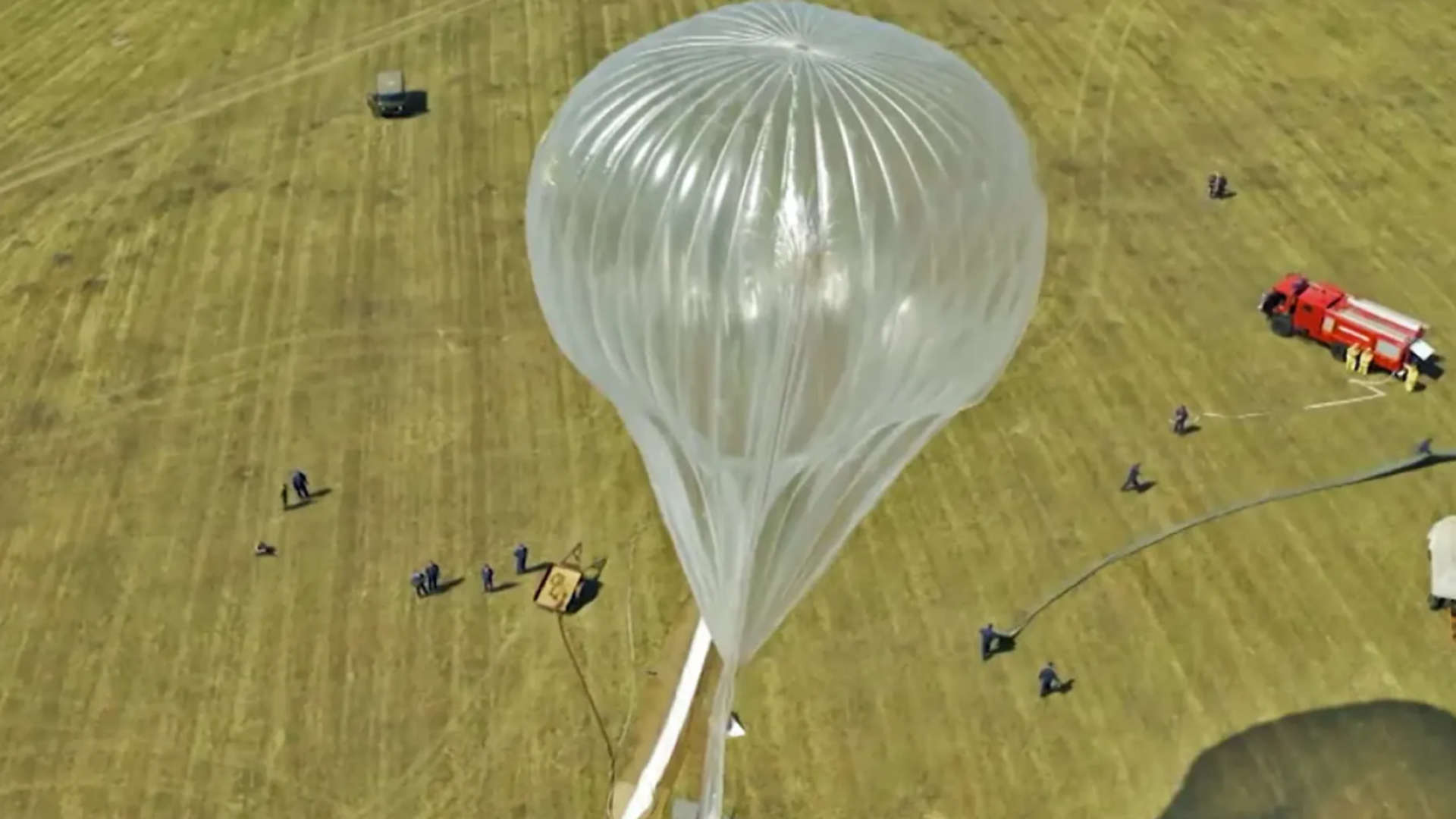
- Kyiv has floated more than 1,000 cheap balloons into Russia as decoys, relays, and now even launch platforms, with a balloon-dropped Hornet drone reportedly doubling its strike range to around 300 km
- The DART missile drops from balloons at 12–18 km and deliberately kills its own navigation in the terminal phase, leaving Russian jammers nothing to attack
- Prevailing west-to-east winds hand Ukraine a near-monopoly on the tactic, even as Russia trials its Barrazh-1 relay balloon as an alternative to Starlink
Google might have written off its Project Loon endeavor, a goal to use stratospheric balloons as flying cell towers due to economic considerations, but they are back in an unexpected setting: a deepening frontline between Ukraine and Russia.
This is largely because Ukraine has cracked the economics with the business model that Alphabet, Google's parent company, could not have: a cheap, easy-to-employ weapons platform that can't be jammed or shot...
Copyright of this story solely belongs to techradar.com. To see the full text click HERE