

Just like a fruit fly, a new algorithm never forgets old scents
Getting a nose to know
Insect-inspired “sparse coding” does fast learning, avoids catastrophic forgetting.
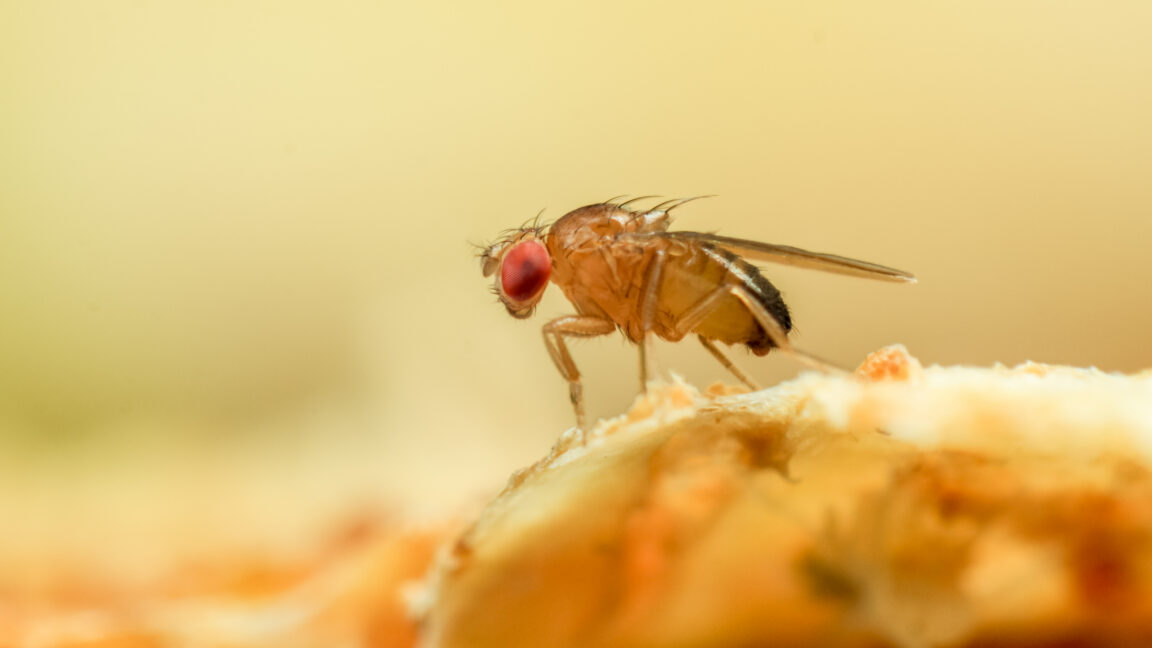
Fruit flies aren’t exactly famous for their brainpower; you’ve probably drowned more than one in a wine glass left too long on the patio table. And yet, working with roughly 140,000 neurons—a brain smaller than a poppy seed—Drosophila can sort through a huge range of smells in a fraction of a second, and then retain the memory of that scent for a long time.
In this, they do much better than current “electronic noses.” Even the most advanced ones on the market tend to be expensive, painfully narrow in what they can detect, and quick to forget an odor the moment they learn a new one.
So why not just copy the fly? That’s the question a growing number of researchers have been asking—including Kevin Maxand Yang Shen at the Okinawa Institute of Science...
Copyright of this story solely belongs to arstechnica.com. To see the full text click HERE