

'I'm sorry Dave': NASA is working on an AI chip to help next-generation spacecraft think for themselves…
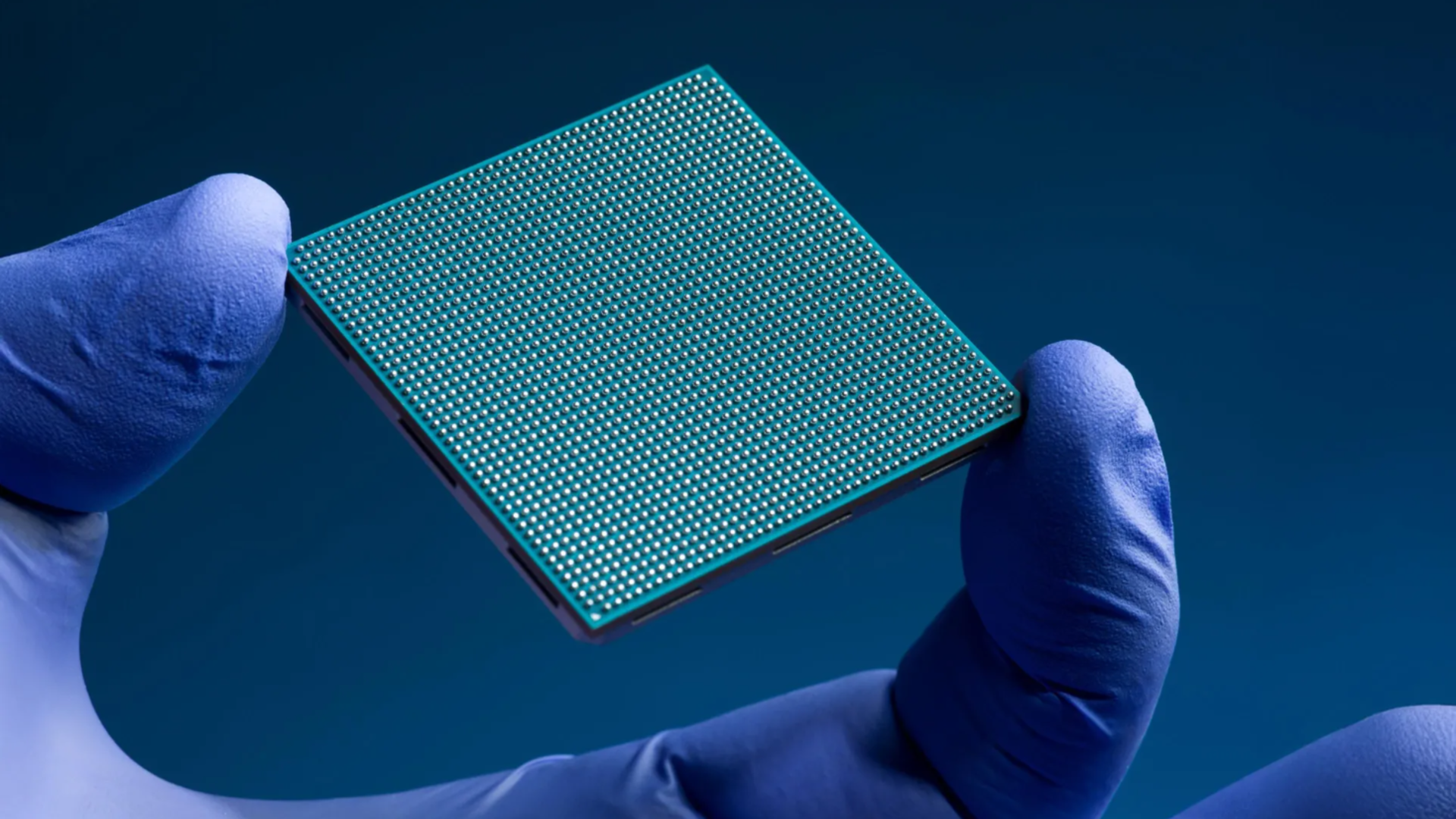
- NASA developed autonomous spacecraft processors with dramatically higher computing performance levels
- New radiation-hardened chip delivers hundreds of times greater processing capability
- Deep-space communication delays are driving demand for autonomous onboard decision systems
A famous warning about autonomous machines from the 1968 film 2001: A Space Odyssey appears to have faded from NASA's memory, if it was ever taken seriously at all.
The space agency is now developing a powerful new processor that could allow spacecraft to make independent decisions during deep space missions.
As part of the High-Performance Spaceflight Computing (HPSC) project, this technology aims to reduce reliance on Earth-based controllers, which currently face long communication delays.
A leap in space computing performance
NASA claims its new radiation-hardened chip delivers up to 100 times more computing power than current spaceflight hardware, and early test results have even shown performance levels roughly 500 times greater than existing radiation-protected processors.
“Building on...
Copyright of this story solely belongs to techradar.com. To see the full text click HERE


