I Built My Own "Muse Charm" on an ESP32 Stick: One Fast Brain, One Slow Brain
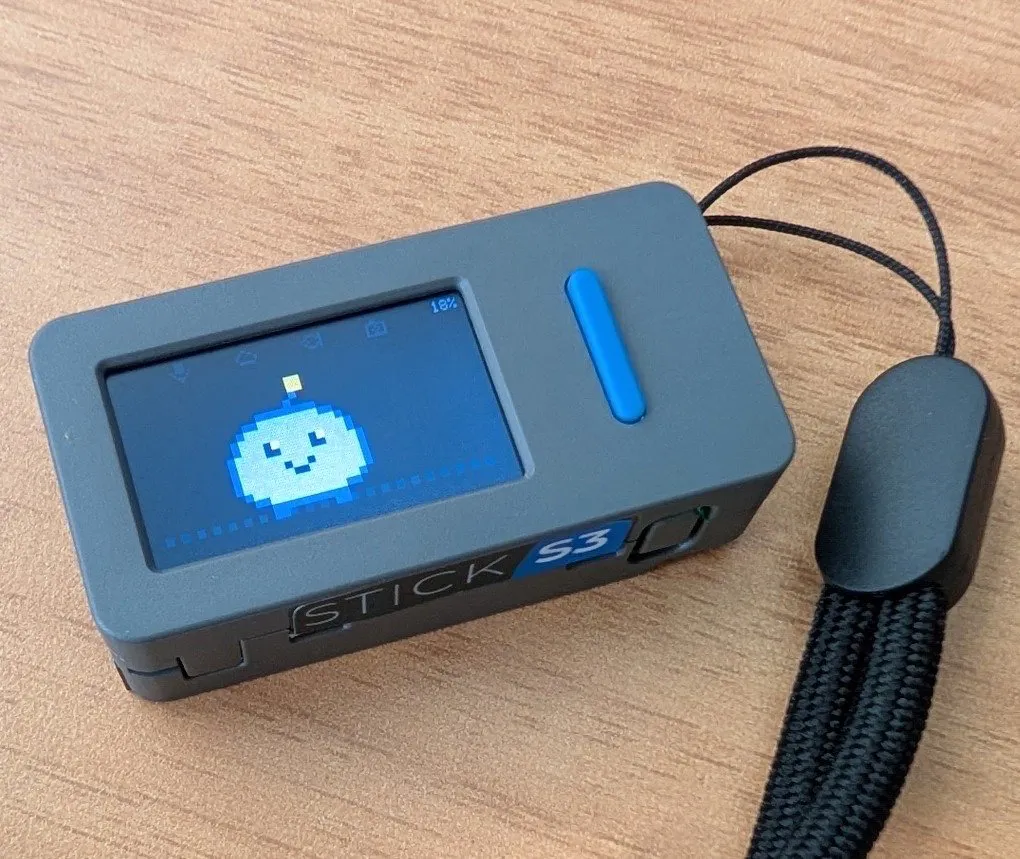
- What it is: Kai is a push-to-talk AI pal on a charm-sized M5StickS3.
- Two brains: a fast path (Gemini Live, ~2 s spoken answers) handles most questions. A slow path (a locked-down Hermes Agent, 15–50 s) does research, memory, and schedules, and Kai speaks the result when it lands.
- How routing works: the voice model's own tool choice decides the path, and an eval set keeps that choice honest.
- Size and material cost: 48 × 24 × 15 mm, 20 g, $21 for the stick, plus a home server
- Scale: a few days, about 4,800 lines of C++ and Python (github.com/zbruceli/kai).
- Purpose of this article: lessons learned from building a real-time AI voice device living on limited compute and power budget
A keychain charm that talks to an agent
In September, Meta launched Muse, its personal agent. Alongside it came the Muse Charm:
- a keychain device with...
Copyright of this story solely belongs to hackernoon.com. To see the full text click HERE