
How We Measure Whether an AI 3D Model Actually Matches Your Image
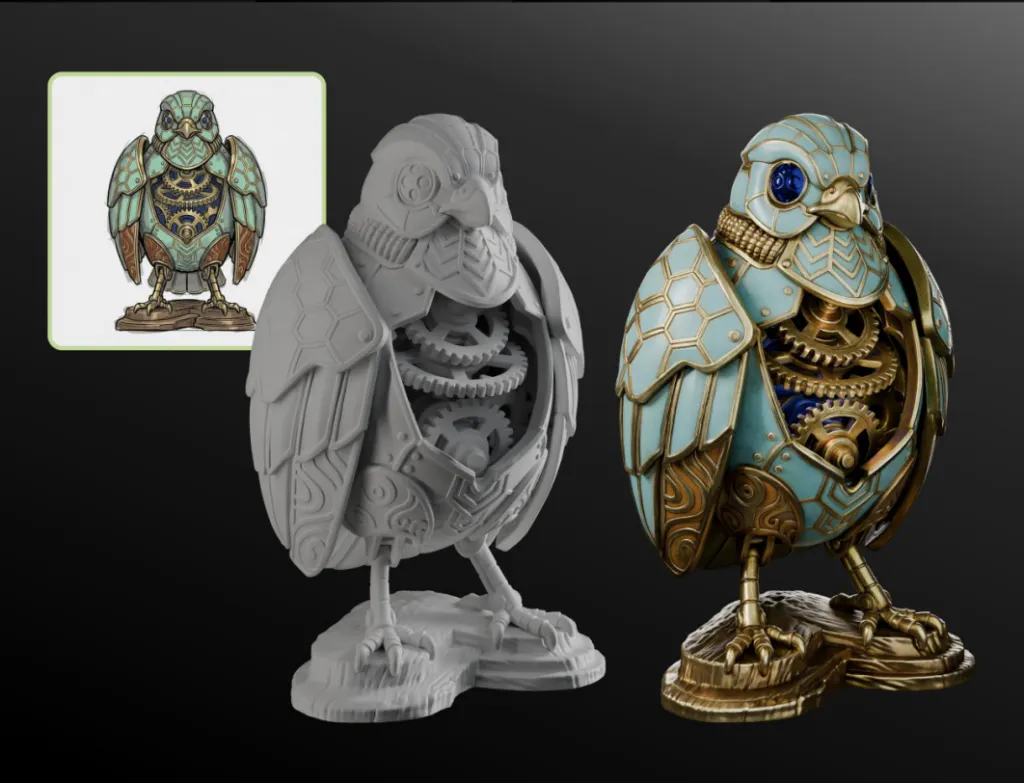
Two years ago, testing an image-to-3D model meant looking for the obvious failures: a mesh with a hole in it, a character with three arms, a shape that made no sense. Those failures are now rare across the leading models, and the question worth asking has changed. It's no longer whether a model can produce a usable 3D asset. It's whether that asset actually matches the object the user asked for.
We call that geometry alignment: how closely the shape, structure, and surface of a generated model agree with the input image. With Meshy 7, our new image-to-3D model, we made alignment the primary target for the first time, and built our own dedicated benchmark to measure it across Meshy 7 and five other AI 3D models.
Meshy 7 Leads Where It Matters Most
Most real workflows hand a model a single reference image, not four. Under that condition,...
Copyright of this story solely belongs to hackernoon.com. To see the full text click HERE