How to predict the behavior of molecules from scant data
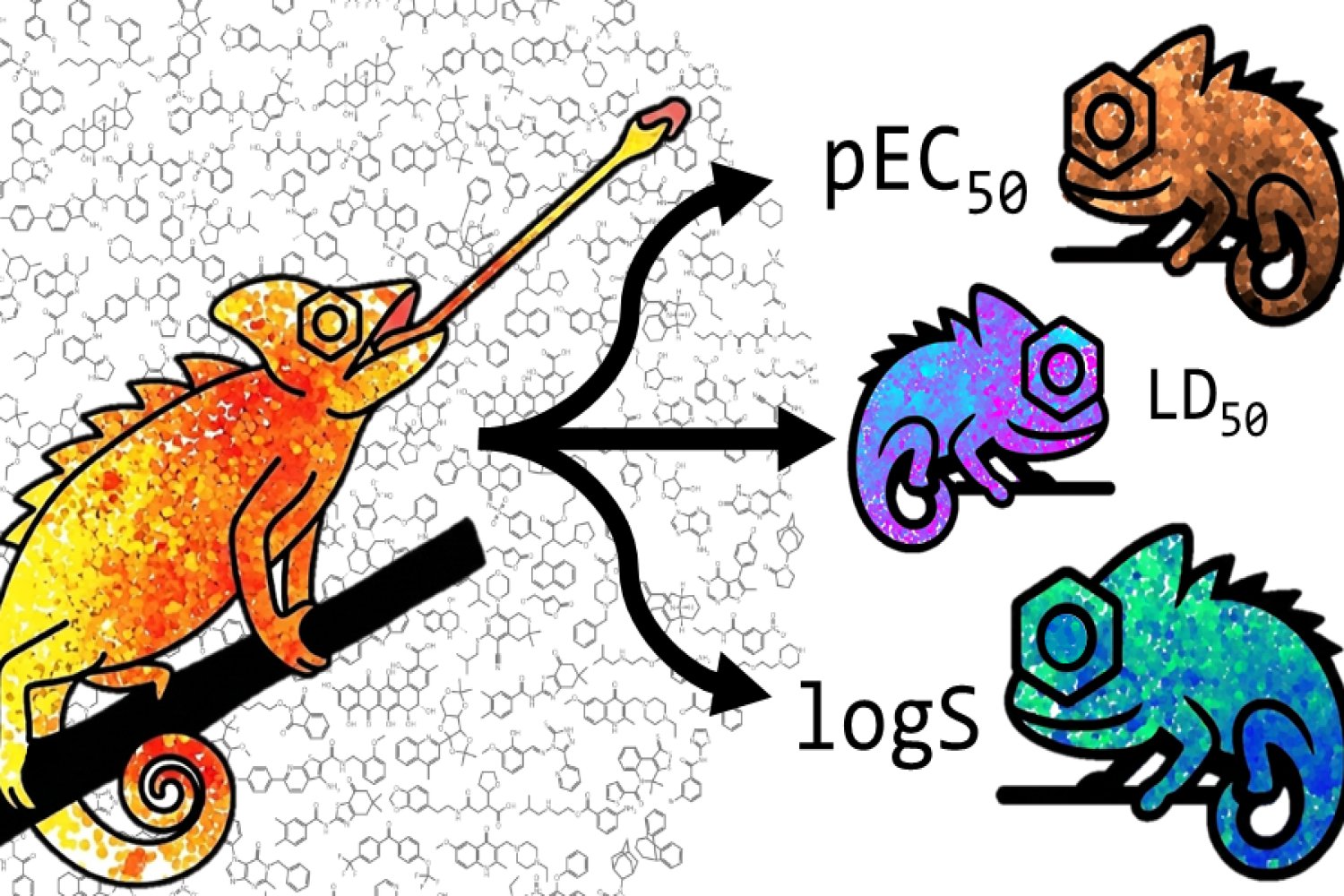
Discovering new molecules for specific uses is a major driver of progress in a wide variety of industries, whether it’s pharmaceutical companies looking for new drugs, or electronics or energy companies seeking new materials with particular properties. But it’s also largely a trial-and-error process, because there is not yet any way to perfectly predict how a given chemical compound will behave in terms of the myriad different properties and responses materials can exhibit.
Recent progress has been made on using artificial intelligence and machine learning to supplement or speed up laborious calculations based on physical principles that can at least provide some initial guidance on which compounds might be worth synthesizing and testing. Now, a new method developed at MIT shows that when there are few data on some technologically relevant property, such as ligand affinities for a recently discovered cellular target for a potential drug, this approach can outperform...
Copyright of this story solely belongs to news.mit.edu. To see the full text click HERE