
How climate change makes your allergies worse
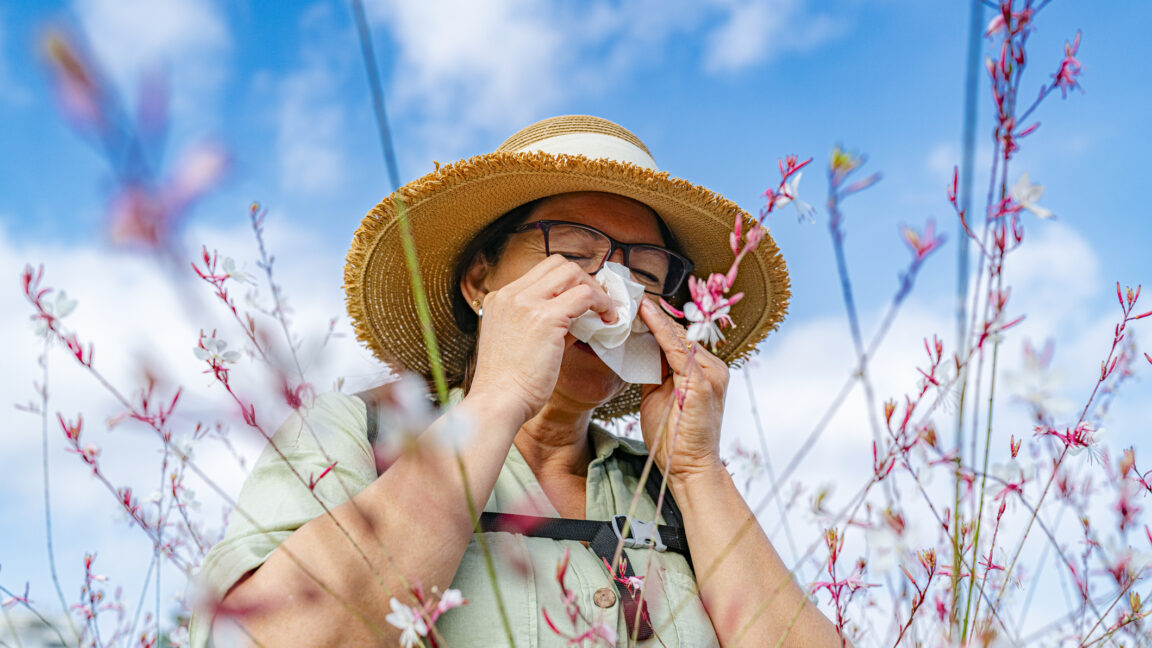
Pollen isn’t the only allergen impacted by climate change. Increased humidity, heat, and flooding also create ideal conditions for mold to flourish in places where it was previously rare.
That can cause mold allergies to flare up, especially in the aftermath of climate-driven disasters like hurricanes, or for patients living in older buildings, basement units, or other homes without proper ventilation, Tummala said.
Pollen piles on
For many people, seasonal allergies are mainly a nuisance: itchy eyes, runny noses, and a seemingly never-ending cold. But pollen also messes with sleep, ups the risk of sinus infections, causes people to miss school and work, and can pose more serious dangers. A 2024 study based in Texas found that allergies can account for a significant portion of emergency department visits for asthma attacks during periods of high pollen counts.
People with allergies are also sensitive to other respiratory triggers, such as heat...
Copyright of this story solely belongs to arstechnica.com. To see the full text click HERE