
How CIOs turn data authority into risk reduction
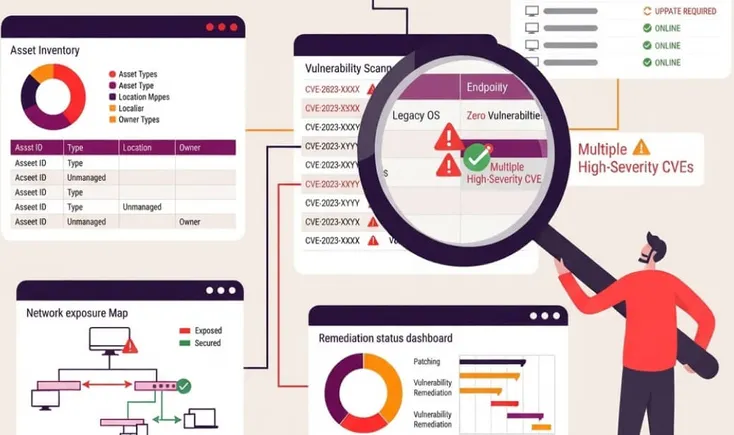
Every day brings another wave of CVEs, and exploits are now weaponized within hours of disclosure. For the past year, the industry has largely approached this as a patching problem. As exploit windows continue to shrink, the biggest challenge facing organizations won’t be patch latency, but rather, decision latency.
Most enterprises can’t answer the questions every risk decision depends on: What assets do we actually have? Which systems are exposed? What should we fix first? Did the fix work?
Without a clear understanding of what assets exist, where exposure resides, what actions will reduce risk most effectively, and whether remediation succeeded, CIOs are left managing uncertainty rather than outcomes. This creates operational inefficiency, increases cyber risk, complicates compliance efforts, and makes it difficult to demonstrate measurable risk reduction. A trusted system of record and continuous validation are now prerequisites for effective IT and security operations.
Those questions may go...
Copyright of this story solely belongs to www.ciodive.com. To see the full text click HERE