
How a medical database developed at MIT evolved into a global standard of data-sharing
Before the advancement of scientific data storage and collaboration via the cloud, medical investigators seeking health research breakthroughs had to overcome significant obstacles to collaboration and key clinical data gathering.
Data were siloed and difficult to distribute, so those looking to undertake research had no option but to gather them themselves. This not only made research more expensive, but it was challenging to compare findings across datasets.
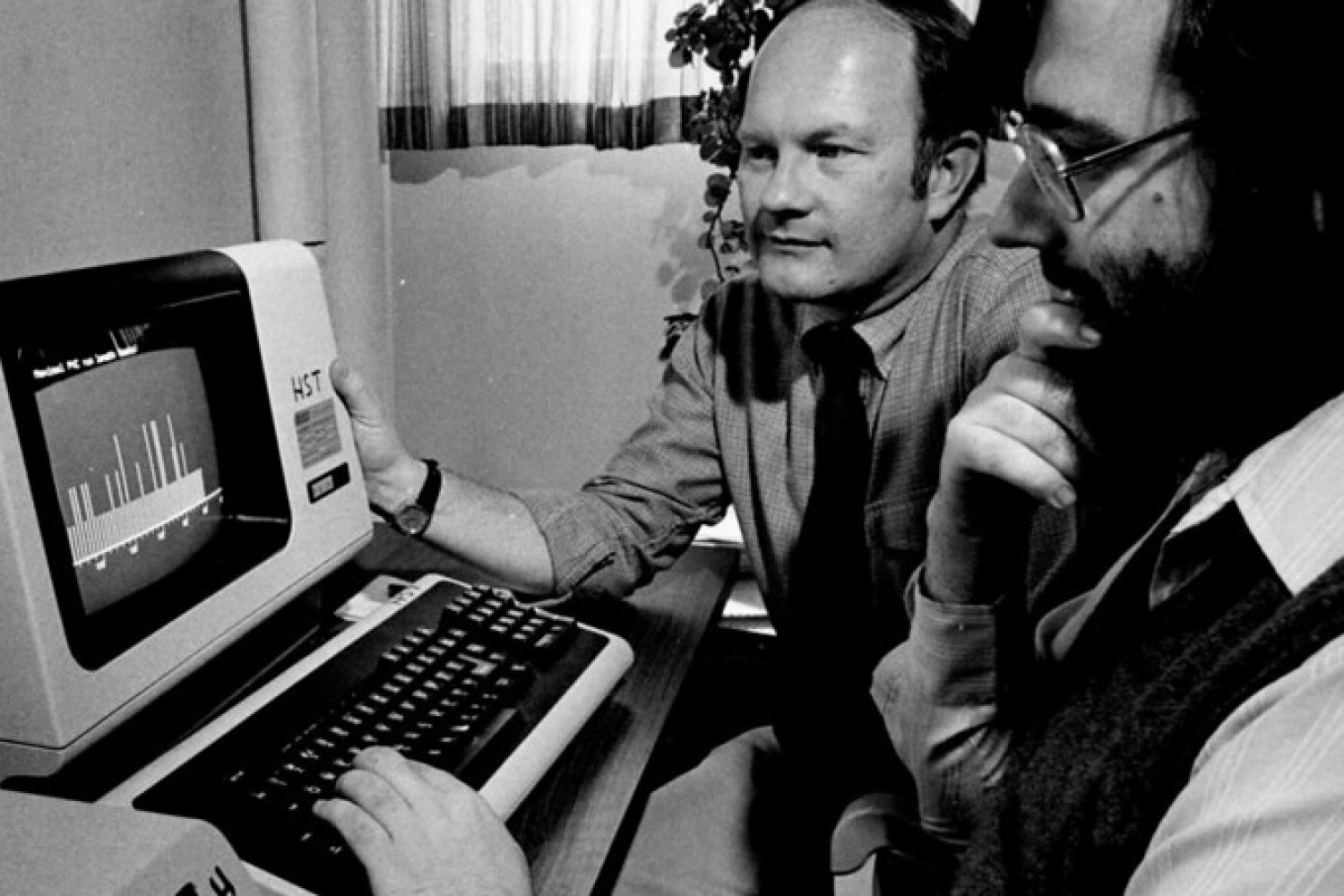
In 1975, researchers studying arrhythmias at MIT and Boston’s Beth Israel Hospital envisioned another way: the team began collecting and digitizing electrocardiogram recordings with the intention of not only studying them, but of also making them available to the wider research community.
The team built their own computers for the process, painstakingly duplicated tapes one by one, and created more than 100,000 annotations for the recordings. The process took years, but by summer 1980, the tapes were finally ready. The team initially thought...
Copyright of this story solely belongs to mit.edu. To see the full text click HERE