

Hackers Pushing Remote Access Tool Through Fake Adobe Acrobat Pages
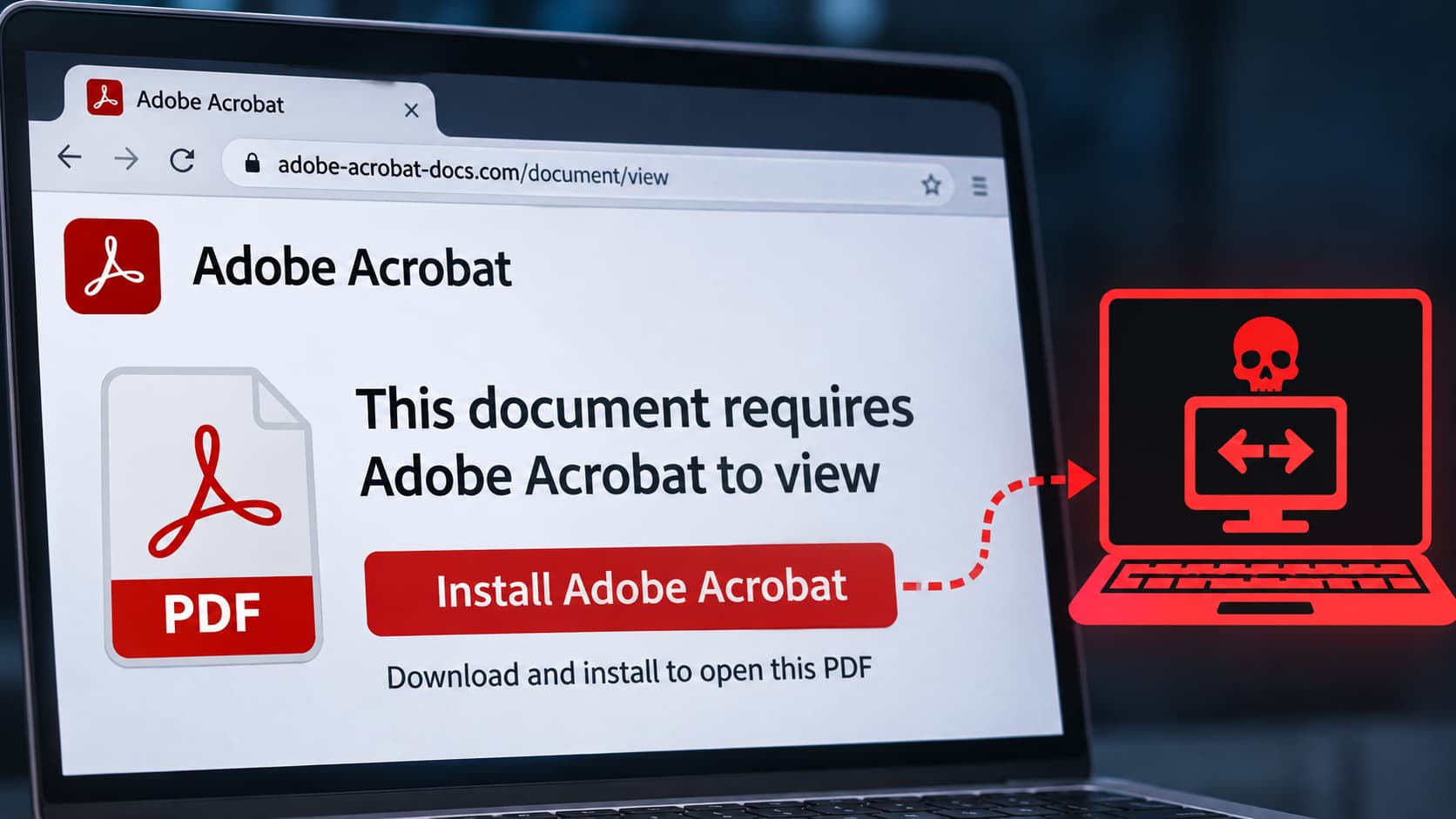
Cybersecurity researchers from CloudSEK have uncovered a malicious campaign that uses fake Adobe Acrobat and document-signing web pages to distribute legitimate ConnectWise ScreenConnect remote-access software.
In their research shared with Hackread.com, researchers found that attackers were abusing digitally signed installers configured to connect to unauthorized remote-access tenants, potentially giving external operators persistent access to Windows systems.
This is not the first time criminals have abused ScreenConnect. Hackread.com has previously reported on similar campaigns, including attacks using fake Social Security Administration emails and Word Online pages to distribute ScreenConnect.
However, the latest campaign takes a different approach, using genuine, digitally signed software with attacker-controlled configurations rather than modifying the original binaries.
Fake Pages and Screening Logic
The delivery pages present fake document-review prompts, including titles such as “View & Sign Form” and “Sign in to view document.” When visitors access these pages, scripts check their operating systems and device types, redirecting...
Copyright of this story solely belongs to hackread.com. To see the full text click HERE