

Green on Black: What Early Computers Taught Us About Imagination
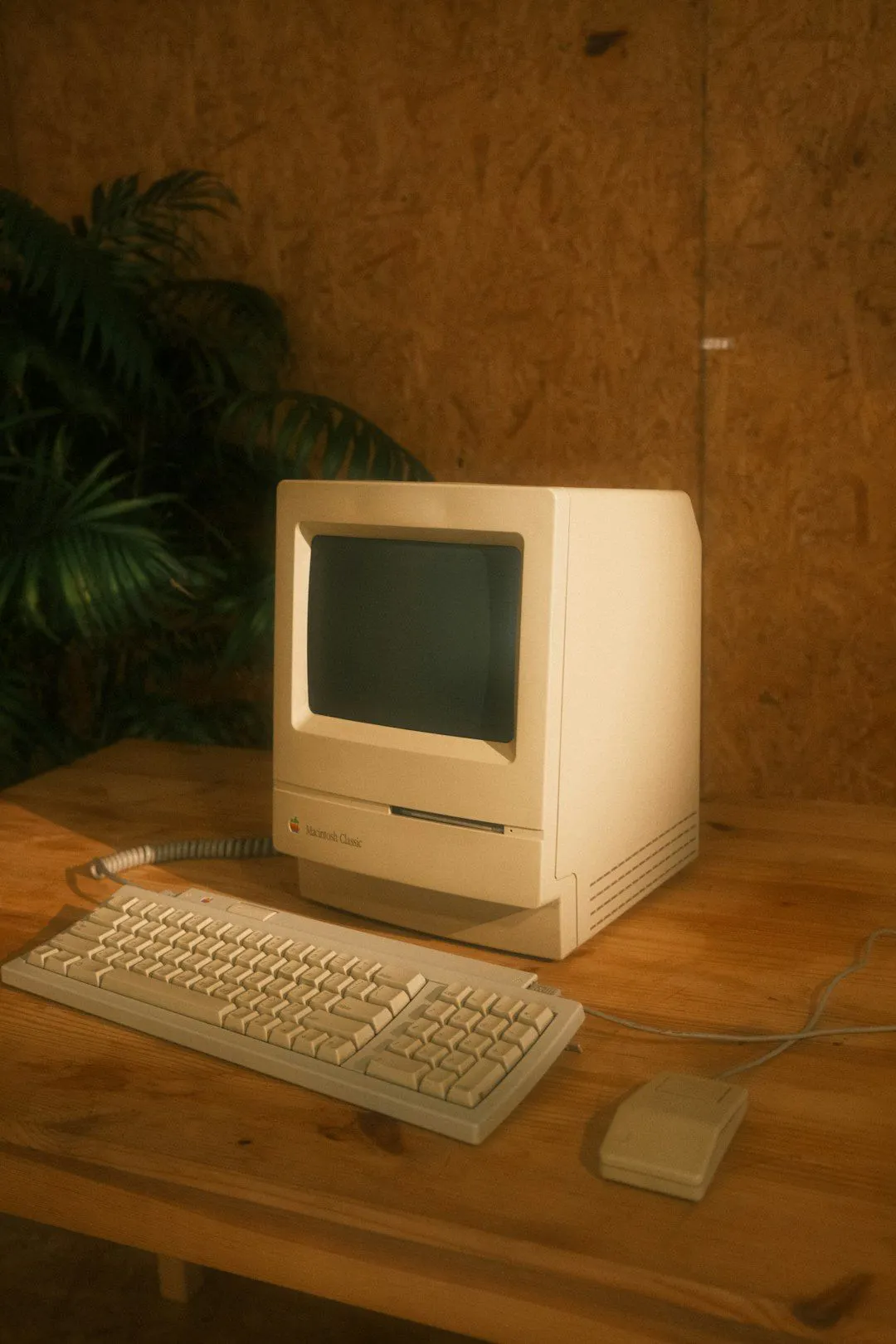
Before computers became seamless worlds of color and stimulation, they asked users to imagine what might exist behind cryptic signs on a dark screen.
Author's note: This essay is adapted from Dreaming Systems, my ongoing memoir about blockchain, technological optimism, and the futures we imagined before they existed.
The Analytical Engine, Ada Lovelace wrote, “has no pretensions to originate anything.”
Alan Turing would later call this “Lady Lovelace’s Objection”: the idea that a machine cannot create something on its own. It can only do “what we know how to order it to perform”.
That sentence is often read as a statement about the limits of computers.
But there is another way to read it.
Computers can do what we know how to order them to perform. Which means the harder question is not only how to instruct them, it is: what for.
What should we want from our computers?
...
Copyright of this story solely belongs to hackernoon.com. To see the full text click HERE