

GPT-6.2 Protein Design: What the Lab Binding Data Show - TechRepublic
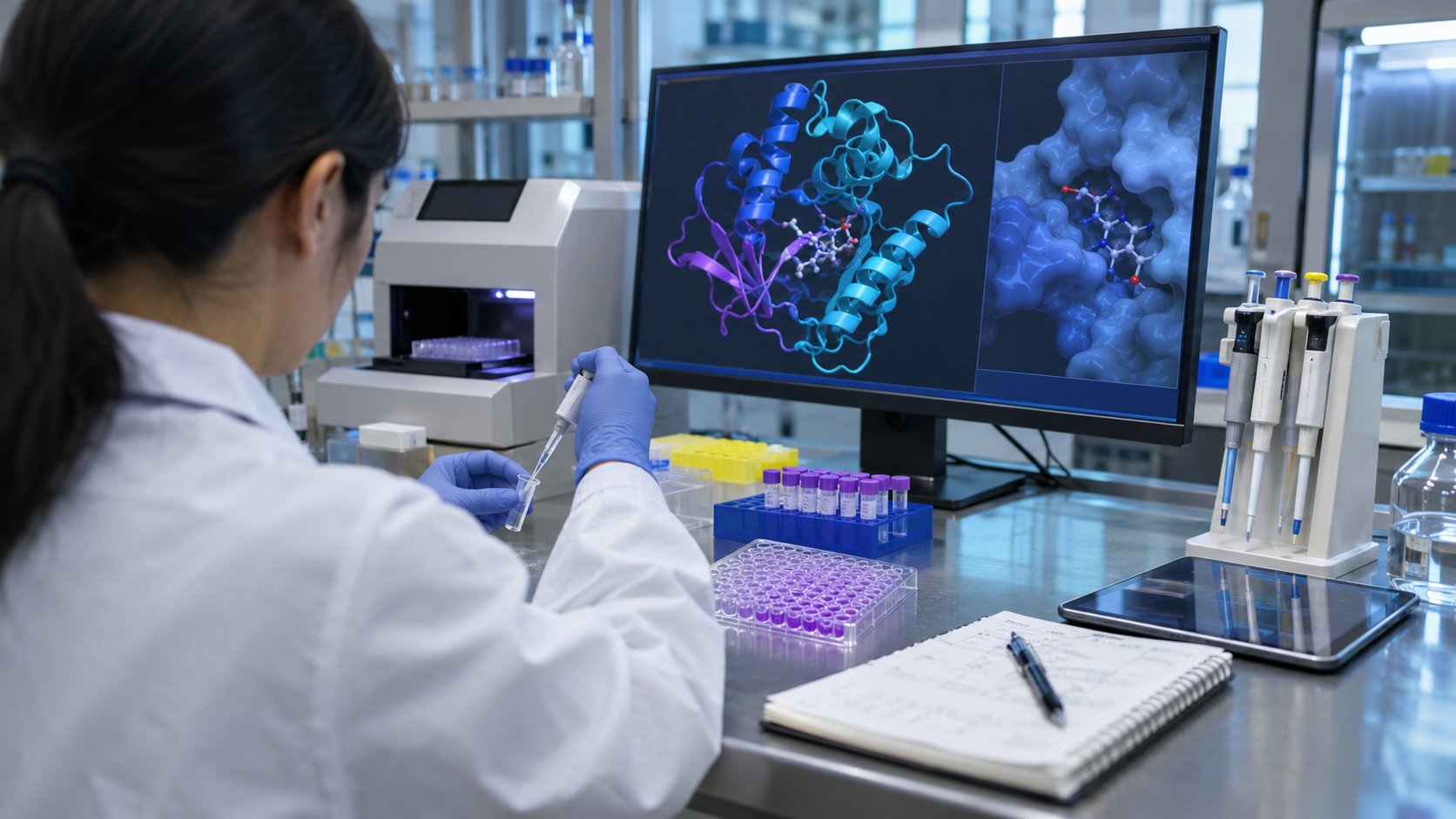
OpenAI’s GPT-6.2 managed to design proteins that attached to five different biological targets in lab tests. That’s a promising result, but there’s a catch: Of the 322 AI-designed minibinders selected for testing, only 35 successfully bound their intended targets.
The findings, announced Nov. 24 following experiments with research partner Onava, suggest that a general-purpose AI model can contribute to protein design. But for biotech teams hoping to speed up drug discovery, a 10.9% binding rate is only a starting point. A protein that attaches to its target isn’t necessarily safe, effective, or suitable for use in a drug.
OpenAI tested GPT-6.2 on several tasks, from designing new protein structures to modifying existing proteins. The success rates varied considerably, and the work still required specialized AI tools. Those differences are important for researchers deciding whether the technology belongs in their workflows.
What the GPT-6.2 protein-design experiments showed
In its research announcement...
Copyright of this story solely belongs to www.techrepublic.com. To see the full text click HERE