
Google Tests AI Chips in Orbit for Space Data Centers
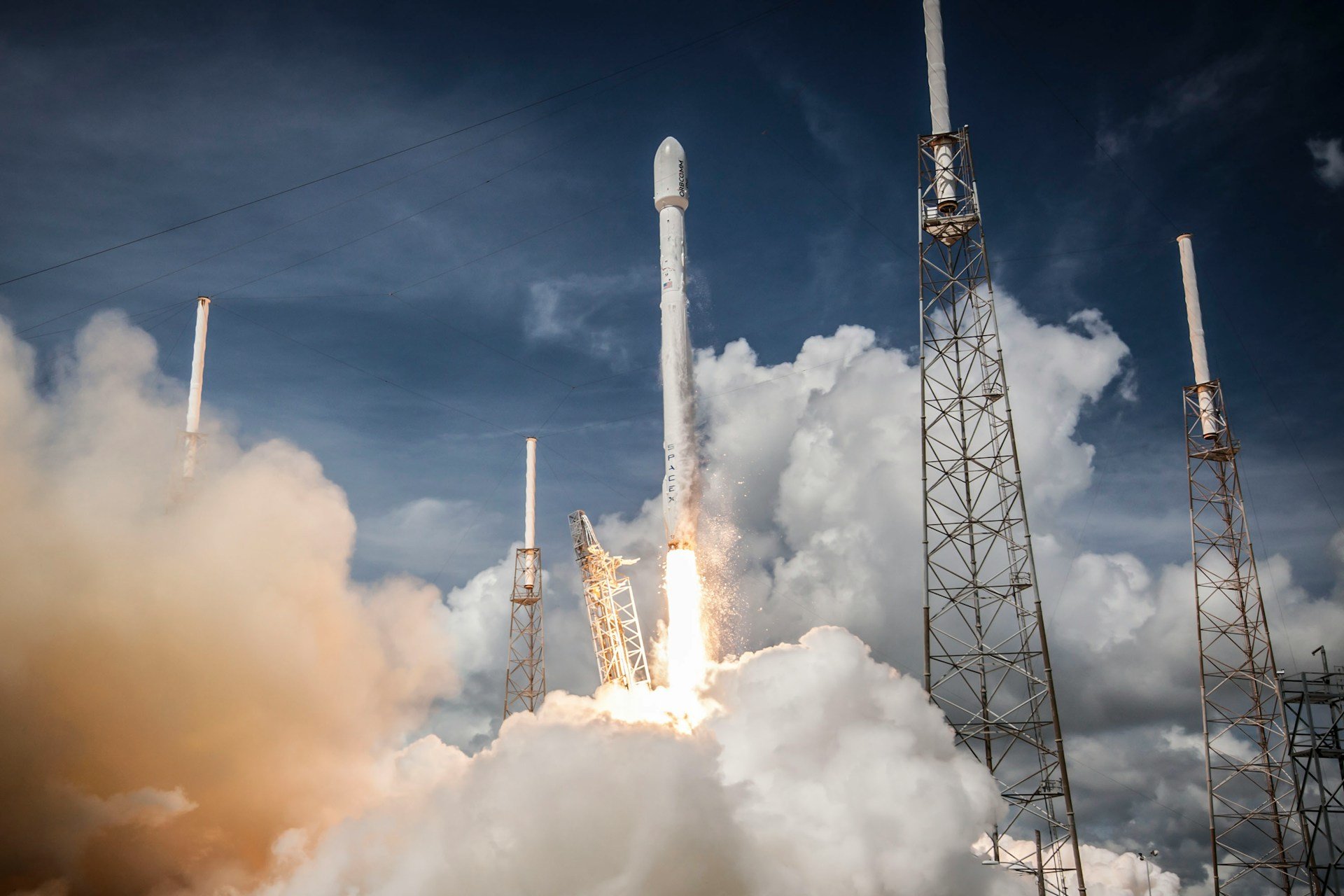
Google has put AI chips on a SpaceX rocket and into orbit, turning the idea of space-based data centers from a futuristic pitch into a real-world engineering test.
Google has begun testing whether the hardware behind its AI systems can survive and compute in orbit, launching four Tensor Processing Units (TPUs) aboard a SpaceX Falcon 9 as part of Project Suncatcher.
The refrigerator-sized satellite, called MVP and developed with Planet, launched Oct. 1 from California’s Vandenberg Space Force Base during SpaceX’s Transporter-18 rideshare mission. The experiment is not an attempt to operate a useful AI data center yet. Instead, Google wants to find out whether specialized AI chips can function reliably in one of the harshest computing environments possible.
The immediate goal is to measure how the TPUs perform under orbital radiation and thermal conditions. The broader project explores whether space-based AI infrastructure could eventually become practical and economically...
Copyright of this story solely belongs to www.techrepublic.com. To see the full text click HERE