

Generating scenarios for extreme events, without extreme data
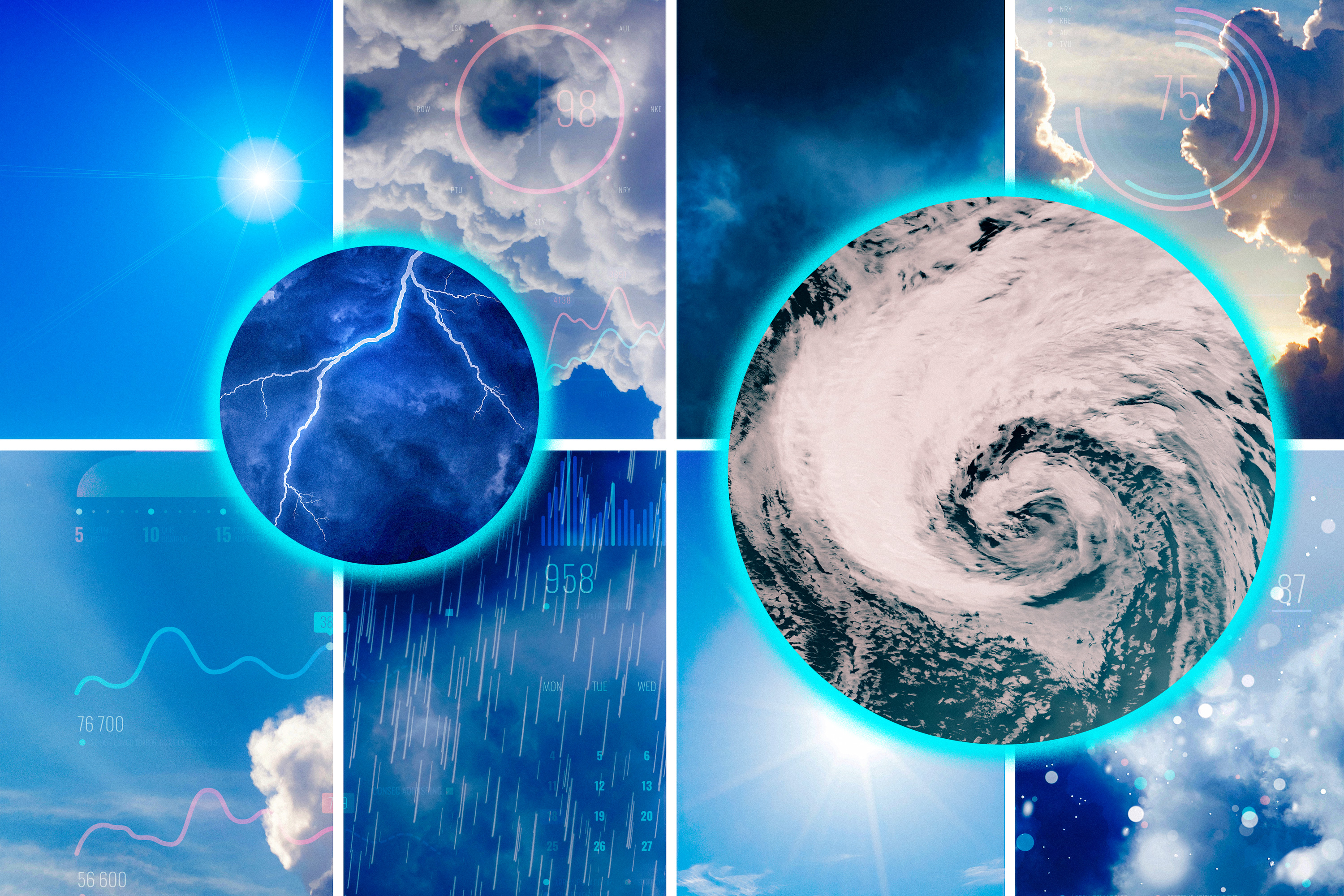
Can a city’s seawall stand up to a blockbuster storm? Will a region’s power grid hold against record-breaking heat? And can a town’s fire-fighting resources contain a major wildfire?
To answer these questions, communities will first need to know how such extreme events could unfold. How far is a wildfire likely to spread? How much of a region might a storm impact? How long could a heat wave last?
But extreme events are notoriously difficult to anticipate. By their nature, they are outliers. In the history of record keeping, extreme events are sporadic and rare. Yet most methods that assess a region’s risk depend on extreme events of the past to characterize even more extreme, worst-case scenarios in the future.
Now, MIT engineers have developed a tool that generates plausible extreme events and worst-case scenarios, and maps their characteristics, such as an extreme storm’s likely duration, intensity, and area of...
Copyright of this story solely belongs to mit.edu. To see the full text click HERE